The Foundations of Biological Literacy
Biological literacy is the ability to interpret your body’s signals and navigate the healthcare system with precision. It moves beyond "eating vegetables" and into understanding glycemic variability, inflammatory markers, and sleep architecture. When an individual understands how their body processes a 30-gram dose of glucose, they are no longer guessing about their health; they are managing a biological system.

In clinical practice, I often see patients who can explain a complex software deployment but cannot identify the location of their liver or explain the role of insulin. For example, a 45-year-old executive once told me he took "vitamins" but didn't know his Vitamin D3 levels were at 12 ng/mL, a clinical deficiency. Within three months of targeted supplementation and sun exposure, his reported cognitive fatigue vanished.
Statistically, the CDC reports that nearly 90% of the $4.1 trillion annual healthcare expenditure in the U.S. is for people with chronic and mental health conditions. A significant portion of these costs is preventable through early education and lifestyle interventions. Furthermore, a study published in the Lancet suggests that basic health literacy is a stronger predictor of an individual's health status than age, income, or employment status.
The Cost of Medical Misinformation
The primary issue today isn't a lack of information, but a surplus of low-quality data. Many people rely on social media "biohackers" rather than peer-reviewed research or clinical guidelines. This leads to "orthorexia," an unhealthy obsession with eating only "pure" foods, or the misuse of supplements like melatonin, which can disrupt endogenous hormone production if taken in excessive doses (e.g., 5-10mg instead of the physiological 0.3mg).
Ignorance of preventive screenings is another critical pain point. Many individuals avoid the doctor until they feel pain, but high blood pressure and high cholesterol—often called "silent killers"—do not present symptoms until organ damage has occurred. Neglecting a simple lipid panel can lead to atherosclerosis that remains undetected for decades.
Consider the real-world situation of metabolic syndrome. Roughly 1 in 3 American adults meets the criteria, yet many are unaware that their waist circumference or fasting glucose levels are early warning signs. This delay in awareness turns a reversible lifestyle issue into a lifetime of pharmaceutical dependency, such as taking Metformin or statins, which carry their own side-effect profiles.
Implementing Strategic Wellness Protocols
Decoding Nutritional Biochemistry and Satiety
Modern nutrition isn't about calorie counting; it's about hormonal signaling. Understanding the role of leptin and ghrelin can change your relationship with food. Instead of generic dieting, focus on the "Fiber-Protein-Fat" trifecta at every meal. This slows gastric emptying and prevents the insulin spikes that drive fat storage and brain fog.
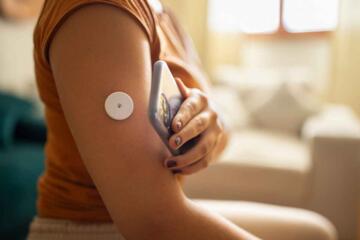
Using tools like MyFitnessPal for tracking or Nutrisense (Continuous Glucose Monitors) provides real-time data on how your body reacts to specific carbohydrates. Research shows that stabilizing postprandial glucose to stay below 140 mg/dL significantly reduces systemic inflammation and long-term glycation of tissues.
Optimizing Circadian Biology for Cognitive Output
Sleep is the brain’s primary metabolic clearance phase. Deep sleep is when the glymphatic system flushes out beta-amyloid plaques. To optimize this, you must control light exposure. Use f.lux on computers and Oura Ring or Whoop to track Heart Rate Variability (HRV), which serves as a proxy for nervous system recovery.
Maintaining a consistent wake time, even on weekends, anchors your circadian rhythm. Exposure to 10,000 lux of sunlight within 30 minutes of waking triggers a cortisol spike that sets a timer for melatonin release 16 hours later. This isn't just "good advice"; it’s a biological imperative for neurotransmitter balance.
Mastering Cardiovascular and Strength Physiology
Exercise is often viewed as a weight-loss tool, but it is actually a longevity drug. High VO2 max is one of the strongest predictors of all-cause mortality. Incorporating Zone 2 training (60-70% of max heart rate) for 150 minutes a week improves mitochondrial density. This allows your cells to burn fat more efficiently at rest.
Resistance training is equally vital for preventing sarcopenia (muscle loss) as we age. Aim for 2-3 sessions of compound movements like squats and deadlifts. Muscle acts as a "metabolic sink," soaking up excess glucose from the bloodstream. Tracking your progress on apps like Strong or Fitbod ensures progressive overload, which is the key to cellular adaptation.
Navigating Preventive Screenings and Biomarkers
You cannot manage what you do not measure. Everyone should have an annual blood panel that goes beyond the basics. This includes ApoB (a better predictor of heart disease than LDL-C), HbA1c (three-month blood sugar average), and hs-CRP (a marker of systemic inflammation). Using services like InsideTracker or Life Extension allows you to order these tests independently.
Knowing your numbers allows for "micro-adjustments" rather than "macro-crises." For instance, if your hs-CRP is elevated, you might investigate a hidden dental infection or gut dysbiosis before it manifests as an autoimmune flare-up. Early detection via screenings like colonoscopies (starting at age 45) or dermatological checks can literally be the difference between a minor procedure and terminal illness.
Developing Emotional Resilience and Stress Management
Mental health is physiological. Chronic stress keeps the body in a sympathetic "fight or flight" state, which suppresses the immune system and increases visceral fat. Practicing "physiological sighs" (two inhales followed by a long exhale) can instantly down-regulate the nervous system by activating the vagus nerve.
Platforms like Headspace or Waking Up provide structured pathways for mindfulness, but even five minutes of box breathing (4-4-4-4) significantly lowers salivary cortisol. In a corporate study, employees who practiced daily mindfulness reported a 28% reduction in stress levels and a 19% improvement in sleep quality after eight weeks.
Real-World Outcomes of Proactive Learning
A mid-sized tech company in Austin, Texas, implemented a "Biological Literacy" program for its 200 employees. Instead of standard gym memberships, they provided Level CGM sensors and monthly seminars on blood sugar management. Within six months, the company saw a 14% decrease in absenteeism and a measurable improvement in afternoon productivity scores.
In another case, a 52-year-old female with a family history of heart disease used a home blood pressure monitor (Withings) to track her readings. She noticed a consistent spike after her evening wine. By replacing wine with magnesium-infused sparkling water (using Calm magnesium powder), her resting blood pressure dropped from 145/92 to 118/78 in just six weeks, avoiding the need for hypertensive medication.
Comparative Framework for Wellness Monitoring
| Metric / Tool | Standard Approach | Optimal/Expert Approach | Impact on Longevity |
|---|---|---|---|
| Blood Sugar | Fasting Glucose once a year | HbA1c + CGM tracking | Prevents Type 2 Diabetes and Glycation |
| Heart Health | Total Cholesterol / LDL | ApoB + Calcium Score (CAC) | Accurately predicts cardiovascular events |
| Sleep | "I feel fine on 6 hours" | Tracking Deep/REM via Oura/Whoop | Cognitive preservation and hormonal balance |
| Activity | Walking 10,000 steps | Zone 2 + Resistance + VO2 Max | Maintains metabolic rate and bone density |
| Stress | Waiting for a vacation | Daily HRV monitoring + Breathwork | Reduces systemic cortisol and inflammation |
Navigating Common Misconceptions
One of the most frequent errors is the "all-or-nothing" fallacy. People think if they can't do a 60-minute workout, it’s not worth doing 10 minutes. In reality, "exercise snacks"—short bursts of movement—can improve insulin sensitivity for hours. Another mistake is over-supplementing without testing. Taking high doses of Vitamin E or Beta-Carotene has actually been linked to increased mortality in some studies; always test levels before loading up.
Furthermore, many confuse "weight loss" with "fat loss." Losing weight too quickly often results in the loss of lean muscle mass, which lowers your Basal Metabolic Rate (BMR) and makes weight regain inevitable. Focus on high protein intake (1.6g to 2.2g per kg of body weight) to protect muscle while in a caloric deficit.
Critical Questions and Answers
How often should I realistically get blood work done?
For a healthy adult, once a year is standard, but every six months is optimal if you are making significant lifestyle changes or managing a condition. Always request a copy of your results to track trends over time rather than just looking at "normal" ranges.
Are wearable trackers actually accurate?
While they aren't medical-grade for ECGs, they are highly accurate for "trend analysis." Don't obsess over the exact number of calories burned, but pay close attention to changes in your resting heart rate (RHR) and sleep quality trends.
Is organic food a requirement for a healthy lifestyle?
It’s helpful but not mandatory. Focus first on the "Dirty Dozen" (fruits/veg with highest pesticide load) and prioritize whole foods over processed "organic" snacks. A non-organic broccoli head is still better for you than an organic cookie.
What is the most important supplement for the average person?
There is no "magic pill," but Vitamin D3, Magnesium, and Omega-3 Fatty Acids are the most common deficiencies in Western diets. However, supplementation should always be guided by blood work and professional advice.
How can I tell if my stress levels are physically hurting me?
Look for physical cues: persistent digestive issues, jaw clenching (bruxism), frequent colds, or a "wired but tired" feeling at night. These are signs that your HPA-axis (hypothalamic-pituitary-adrenal) is overtaxed.
Expert Perspective on Modern Wellness
In my years of analyzing health data, I have found that the most successful individuals treat their health like a high-stakes investment portfolio. They diversify their "assets"—sleep, nutrition, movement, and social connection—and they check the data frequently. My biggest piece of advice is to stop viewing health as a destination and start viewing it as a skill set. You wouldn't expect to play the piano without practice; don't expect to be healthy without the education to back it up. Mastery comes from the small, unsexy habits performed with relentless consistency.
Conclusion
True wellness is the result of informed, deliberate actions rather than generic habits. By prioritizing deep biological literacy—understanding your blood markers, mastering your sleep-wake cycles, and utilizing modern tracking tools—you transition from a passive passenger to the active pilot of your own longevity. Start by booking a comprehensive blood panel and tracking your sleep for 30 days. These data points will provide the roadmap for your personal health evolution. Small adjustments today, backed by solid science, prevent the catastrophic health failures of tomorrow.