Popular Articles

FIDO2 Security Keys: NIST AAL3 Compliance Tests
This guide explains how FIDO2 security keys are tested against NIST AAL3 expectations for remote authentication. It is for IT teams, security-minded users, and compliance readers who need practical test criteria, not marketing claims. You will learn what AAL3 testing typically checks, which FIDO2 features map to those checks, how to interpret test reports, and what to verify in real deployments such as web logins and VPN access.
security
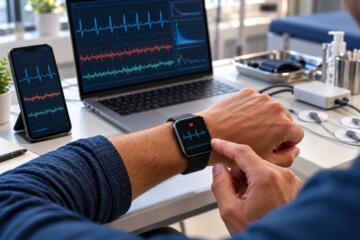
Wearable ECG Sensors: Signal Noise Benchmark Tests
Wearable ECG sensors record heart electrical signals using electrodes on the skin and software that filters noise. This guide helps informed readers evaluate sensor quality using signal-noise benchmarks, motion artifacts, electrode contact, and sampling choices. You’ll learn what to measure, how to run practical benchmark tests at home or in a lab setting, and how to interpret results without over-trusting a single metric. It also covers common mistakes, comparison checklists, and FAQs for buyers and testers.
health
Latest Articles

IoT Water Leak Insurance: Sensor Accuracy Benchmarks
IoT water leak insurance depends on sensor accuracy, not just app alerts. This guide explains how leak sensors detect moisture, how accuracy is measured with practical benchmarks, and what insurers and homeowners should verify before relying on a policy. You’ll learn common failure modes, test methods you can run at home, and how to interpret false alarms versus missed leaks. It’s for renters, homeowners, and property managers comparing sensor systems for insurance claims.
insurance

Ethical Hacking for Smart Homes: Testing Vulnerability
This guide walks you through practical, ethical ways to check a smart home setup for security gaps—without damaging devices or crossing legal lines. It’s written for homeowners, renters, and tech-curious readers who want clear, step-by-step actions they can actually use. You’ll see how common smart home devices connect (routers, hubs, apps, cloud services), where weaknesses typically show up, and how to run safe vulnerability checks like password audits, network scans, and basic configuration reviews. It also explains how to record what you find so fixes are straightforward, includes real-world style examples, a simple decision checklist, and highlights frequent mistakes that can quietly erode security and trust.
security

Smart Water Softeners: Skin and Hair Health Data
Smart water softeners reduce hardness minerals using ion exchange and sensors that adjust regeneration. This guide helps people with dry skin, itchy scalp, or dull hair interpret water-softening claims using measurable data. You’ll learn what hardness does to soap and rinse, which settings matter, how to verify performance with test strips and logs, and what outcomes are realistic. Includes comparison checklists, common mistakes, and a short FAQ for renters and homeowners.
health

Drone Insurance 2026: Commercial vs Private Use
Drone insurance affects who pays when a drone causes damage, injures someone, or loses property. This guide helps private pilots and commercial operators compare coverage choices for 2026, using practical scenarios and a decision checklist. You’ll learn how liability, hull, and third-party coverage differ, what policy terms to read, how regulations and flight permissions shape risk, and which documentation insurers typically request before quoting.
insurance

Dashboard Design for Home Tablets: UI/UX Guide
This guide helps people design and evaluate a home tablet dashboard for health and daily routines. It matters because tablet screens mix notifications, medication reminders, and family communication, and poor UI choices can cause missed tasks or privacy leaks. You’ll learn practical layout patterns, accessibility checks, notification rules, and data-handling questions, plus examples and a decision checklist for safer, clearer dashboards.
software

Using Virtual Reality (VR) for Service Staff Training
VR training for service staff uses simulated scenarios to practice customer interactions, safety steps, and service workflows without risking real mistakes. This guide explains how VR modules work, what supporting systems they depend on, and where training claims often fail. You’ll learn how to design measurable sessions, choose hardware and content formats, run pilot tests, and track outcomes like error rates and time-to-competency. It also covers common pitfalls and practical case examples.
service

AI Threat Detection: Differentiating Pets vs Humans
AI threat detection systems try to decide whether a camera view shows a person or an animal. This matters for home security, workplace safety, and public spaces where false alarms waste time and can trigger unsafe responses. This article explains how pet-vs-human classification works, why errors happen, and how to evaluate settings, sensor choices, and alert workflows. You’ll learn practical checks, realistic expectations, and safer next steps for reducing nuisance alerts.
security

Heart Rate Variability (HRV): Stress Management
Heart Rate Variability (HRV) reflects changes in time between heartbeats and can relate to stress and recovery. This guide is for readers using wearables or seeking a practical way to interpret HRV without overreacting. You’ll learn what HRV measures, why readings vary, which factors distort results, and how to pair HRV trends with sleep, training load, and breathing. Includes example scenarios, a decision checklist, and common mistakes to avoid.
health

Third-Party Liability for Autonomous Lawn Mowers
Autonomous lawn mowers can hit people, pets, property, or landscaping features. This guide explains third-party liability in plain English for homeowners, renters, and landlords, focusing on what typically triggers responsibility, how product and operator duties interact, and what to document after an incident. You’ll learn how insurance, warranties, and local rules affect claims, plus a checklist for safer operation and evidence collection.
insurance

How Blockchain Increases Transparency in Service Chains
Blockchain can record service events across multiple organizations so each party can verify what happened, when, and by whom. This article explains how transparency works in service chains such as logistics, maintenance, and regulated supply flows. It covers common misunderstandings, the supporting technologies behind blockchain records, and practical steps for evaluating real deployments. Readers will learn what to check in a system, how to interpret audit trails, and where transparency claims can fail.
health

Automating Energy Use: Python Scripts for Solar
This article explains how to automate solar energy use with Python scripts, aimed at homeowners and small operators who track production and consumption. It covers common mistakes, the data and device dependencies behind automation, and practical ways to schedule loads like EV charging or water heating. You’ll learn how to design safe control logic, log results, and evaluate outcomes using real measurements rather than guesses.
software
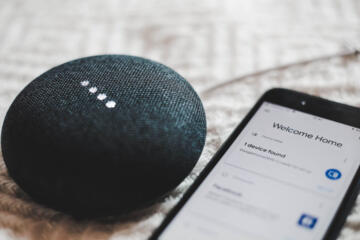
Voice Assistants vs. Chatbots: Finding the Right Balance
Voice assistants and chatbots both answer questions, but they behave differently when you need accuracy, privacy, or fast follow-ups. This guide helps readers choose the right interface for everyday tasks like health-related questions, appointment planning, and medication reminders. You’ll learn how speech recognition, intent detection, and retrieval systems affect answers, where errors come from, and how to set safer expectations. Practical checklists and examples show how to reduce misunderstandings.
service

NAS Security: Local vs Cloud Surveillance Storage
This article explains how network-attached storage (NAS) and cloud storage change the security of home or small-office surveillance footage. It’s for readers comparing local recording with cloud backup, including people who want better privacy and fewer surprises after a device update. You’ll learn how threat models differ, what settings matter, which dependencies to check, and how to design a practical retention and access plan with realistic trade-offs.
security

Posture Tracking AI: Reducing Remote Work Fatigue
Posture tracking AI uses cameras, sensors, or wearable data to estimate head, neck, and trunk angles during desk work. This guide explains how these systems work, where they fail, and how to choose settings that reduce remote-work fatigue without turning your workspace into surveillance. You’ll learn what to measure, how to set reminders, how to test accuracy, and how to protect privacy while improving ergonomics and movement habits.
health

Insuring Home Energy Storage: Powerwall Coverage
Home energy storage systems like Tesla Powerwall can reduce outage risk, but insurance coverage depends on how the policy treats batteries, installation, and electrical equipment. This guide explains common coverage gaps, what documents to gather, and how to read endorsements and exclusions. It is for homeowners comparing quotes, renters with landlord-provided systems, and anyone preparing for a claim. You’ll learn practical steps to verify coverage, estimate deductibles, and avoid denial triggers.
insurance