Understanding Security: Protecting What Matters Most

In a world where threats are ever-present, security plays a crucial role in safeguarding our well-being and assets. From personal safety to digital protection, security measures help mitigate risks and prevent harm. Whether it’s protecting your home, finances, or online data, understanding and prioritizing security can provide peace of mind and ensure that you are prepared for any challenges that arise.
1. Physical Security

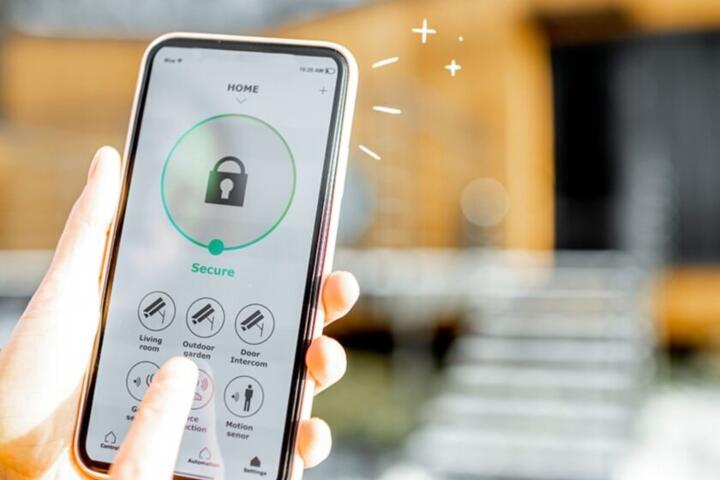
Physical security focuses on protecting individuals and property from harm, theft, or damage. This includes the use of locks, surveillance cameras, security guards, and access control systems. Homeowners can enhance physical security by installing alarm systems, securing doors and windows, and using motion-detecting lights around their property. For businesses, physical security often involves managing building access, ensuring the safety of employees, and maintaining surveillance in high-traffic areas.

2. Cybersecurity

As the digital world continues to expand, cybersecurity has become an essential part of overall security. Cybersecurity involves protecting computers, networks, and data from unauthorized access, theft, or damage. This includes the use of firewalls, encryption, secure passwords, and multi-factor authentication to prevent cyberattacks. For individuals, simple steps like updating software, using strong passwords, and avoiding suspicious emails can significantly reduce the risk of falling victim to cybercrimes such as identity theft or hacking.

3. Financial Security

Financial security refers to safeguarding your financial resources and ensuring long-term stability. This includes protecting personal accounts from fraud, managing investments wisely, and having the appropriate insurance coverage. Practicing financial security involves monitoring your bank accounts for unauthorized transactions, creating an emergency fund, and securing personal documents in a safe location. Additionally, individuals should be cautious when sharing sensitive financial information to prevent financial fraud.

4. Data Security

In today’s data-driven world, the protection of personal and sensitive information is critical. Data security refers to the measures taken to protect data from unauthorized access or corruption. It involves the use of encryption, secure storage solutions, and regular data backups. Individuals should be mindful of what personal information they share online, using privacy settings on social media, and being cautious with digital transactions. Businesses should adopt strict data management protocols to protect customer and company data from breaches.

5. Social Security

Social security is a system of benefits that provides financial support in times of need, such as retirement, disability, or death. It is a key component of a nation’s social welfare program, offering financial assistance to eligible individuals. In addition to government-supported social security programs, individuals can also invest in private pension plans and disability insurance to ensure long-term financial security.

6. Personal Security Measures

Personal security involves taking proactive steps to protect oneself from harm or danger. This includes being aware of your surroundings, following safety protocols when traveling, and using safety apps for emergencies. Carrying self-defense tools, setting up emergency contacts, and having a trusted person know your whereabouts can also help reduce risks. In public places, it’s essential to stay vigilant and avoid situations that may compromise your safety.

Final Thoughts

Security is a broad concept that encompasses many areas of our lives. By understanding the different types of security—physical, cybersecurity, financial, data protection, and personal safety—individuals and businesses can take proactive measures to safeguard what matters most. Implementing strong security practices, from securing personal belongings to adopting digital privacy measures, can help reduce vulnerabilities and provide peace of mind in an increasingly complex world. Whether at home or online, making security a priority ensures that you are better prepared to face potential threats and protect your assets.

Related Articles

Security Risks of Public Wi-Fi

This guide provides a technical breakdown of the invisible threats lurking within open wireless networks for remote professionals, travelers, and businesses. We move past basic "don't click links" advice to explore packet sniffing, side-jacking, and DNS poisoning. By implementing encrypted tunnels and zero-trust protocols, you can transform a high-risk connection into a secure gateway for productivity.

security

smartzephyr_com.pages.index.article.read_more

Data Privacy Laws Explained Simply

This guide breaks down the complex architecture of international data protection frameworks, offering a strategic roadmap for businesses and individuals to secure digital identities. We move beyond legal jargon to explore the practical mechanics of compliance, risk mitigation, and consumer rights in an era of ubiquitous surveillance. By analyzing real-world enforcement actions and technical implementation strategies, this article equips you with the tools to transform regulatory burdens into a competitive advantage based on transparency and trust.

security

smartzephyr_com.pages.index.article.read_more

Security Best Practices for Small Businesses

Small and medium-sized enterprises (SMEs) are currently the primary targets for automated cyber-attacks, as they often lack the sophisticated defense infrastructure of larger corporations. This guide provides a technical roadmap to hardening your digital perimeter, moving beyond basic antivirus talk to address identity management, data encryption, and resilient backup strategies. We explore how to implement high-level protection on a restricted budget, ensuring your business remains operational and compliant in an increasingly hostile digital landscape.

security

smartzephyr_com.pages.index.article.read_more

Cybersecurity for Remote Workers

Remote work has expanded the corporate attack surface far beyond the traditional office perimeter, making individual home offices the new frontline for cyber warfare. This guide provides a high-level roadmap for remote professionals and distributed teams to secure their digital environments against sophisticated phishing, ransomware, and credential stuffing. We move beyond basic password advice to explore zero-trust architecture, hardware-level security, and the specific configurations needed to protect sensitive corporate data in a domestic setting.

security

smartzephyr_com.pages.index.article.read_more

Latest Articles

The Cost of Cybersecurity Failures

The financial and operational fallout of data breaches has reached a critical tipping point, where a single oversight can liquidate decades of brand equity. This guide dissects the hidden layers of post-incident expenses, from regulatory fines to the "silent" cost of customer churn, specifically for C-suite executives and IT security leads. By analyzing current threat vectors and mitigation frameworks, we provide a roadmap to transition from reactive firefighting to a resilient, ROI-driven security posture.

security

Read »

Cybersecurity for Remote Workers

Remote work has expanded the corporate attack surface far beyond the traditional office perimeter, making individual home offices the new frontline for cyber warfare. This guide provides a high-level roadmap for remote professionals and distributed teams to secure their digital environments against sophisticated phishing, ransomware, and credential stuffing. We move beyond basic password advice to explore zero-trust architecture, hardware-level security, and the specific configurations needed to protect sensitive corporate data in a domestic setting.

security

Read »

Home Network Security Essentials

The modern home is no longer just a living space; it is a complex data center housing sensitive financial information, professional intellectual property, and private behavioral data. As remote work becomes permanent for millions, cybercriminals have shifted their focus from hardened corporate perimeters to vulnerable residential Wi-Fi networks. This guide provides a high-level technical roadmap for homeowners and remote professionals to implement enterprise-grade security protocols using accessible consumer hardware and software, effectively neutralizing 99% of common network intrusions.

security

Read »