Understanding Security: Protecting What Matters Most

In a world where threats are ever-present, security plays a crucial role in safeguarding our well-being and assets. From personal safety to digital protection, security measures help mitigate risks and prevent harm. Whether it’s protecting your home, finances, or online data, understanding and prioritizing security can provide peace of mind and ensure that you are prepared for any challenges that arise.
1. Physical Security

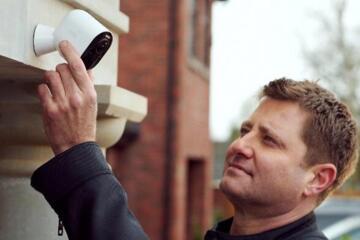
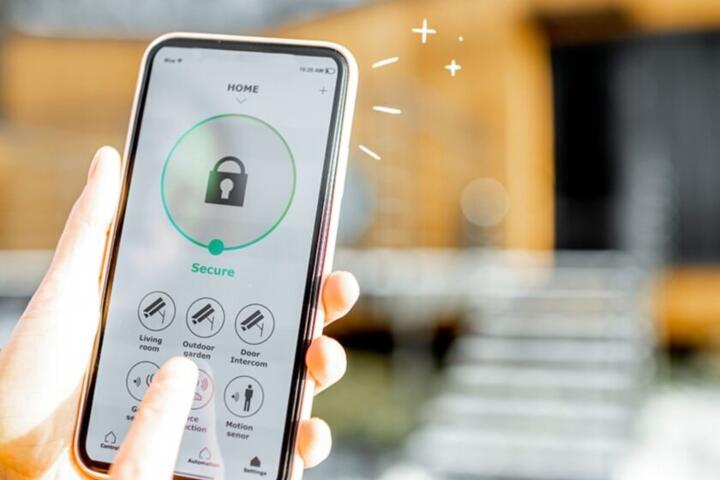
Physical security focuses on protecting individuals and property from harm, theft, or damage. This includes the use of locks, surveillance cameras, security guards, and access control systems. Homeowners can enhance physical security by installing alarm systems, securing doors and windows, and using motion-detecting lights around their property. For businesses, physical security often involves managing building access, ensuring the safety of employees, and maintaining surveillance in high-traffic areas.

2. Cybersecurity

As the digital world continues to expand, cybersecurity has become an essential part of overall security. Cybersecurity involves protecting computers, networks, and data from unauthorized access, theft, or damage. This includes the use of firewalls, encryption, secure passwords, and multi-factor authentication to prevent cyberattacks. For individuals, simple steps like updating software, using strong passwords, and avoiding suspicious emails can significantly reduce the risk of falling victim to cybercrimes such as identity theft or hacking.

3. Financial Security

Financial security refers to safeguarding your financial resources and ensuring long-term stability. This includes protecting personal accounts from fraud, managing investments wisely, and having the appropriate insurance coverage. Practicing financial security involves monitoring your bank accounts for unauthorized transactions, creating an emergency fund, and securing personal documents in a safe location. Additionally, individuals should be cautious when sharing sensitive financial information to prevent financial fraud.

4. Data Security

In today’s data-driven world, the protection of personal and sensitive information is critical. Data security refers to the measures taken to protect data from unauthorized access or corruption. It involves the use of encryption, secure storage solutions, and regular data backups. Individuals should be mindful of what personal information they share online, using privacy settings on social media, and being cautious with digital transactions. Businesses should adopt strict data management protocols to protect customer and company data from breaches.

5. Social Security

Social security is a system of benefits that provides financial support in times of need, such as retirement, disability, or death. It is a key component of a nation’s social welfare program, offering financial assistance to eligible individuals. In addition to government-supported social security programs, individuals can also invest in private pension plans and disability insurance to ensure long-term financial security.

6. Personal Security Measures

Personal security involves taking proactive steps to protect oneself from harm or danger. This includes being aware of your surroundings, following safety protocols when traveling, and using safety apps for emergencies. Carrying self-defense tools, setting up emergency contacts, and having a trusted person know your whereabouts can also help reduce risks. In public places, it’s essential to stay vigilant and avoid situations that may compromise your safety.

Final Thoughts

Security is a broad concept that encompasses many areas of our lives. By understanding the different types of security—physical, cybersecurity, financial, data protection, and personal safety—individuals and businesses can take proactive measures to safeguard what matters most. Implementing strong security practices, from securing personal belongings to adopting digital privacy measures, can help reduce vulnerabilities and provide peace of mind in an increasingly complex world. Whether at home or online, making security a priority ensures that you are better prepared to face potential threats and protect your assets.


Related Articles

Building a Personal Security Checklist

Creating a detailed personal security checklist helps individuals protect their digital and physical safety by identifying risks and applying practical solutions. This guide offers actionable steps derived from real-world experience to reduce vulnerability and avoid common pitfalls. It suits anyone aiming to tighten personal defenses using clear, specific methods without unnecessary jargon or fluff.

security

smartzephyr_com.pages.index.article.read_more

NAS Security: Local vs Cloud Surveillance Storage

This article explains how network-attached storage (NAS) and cloud storage change the security of home or small-office surveillance footage. It’s for readers comparing local recording with cloud backup, including people who want better privacy and fewer surprises after a device update. You’ll learn how threat models differ, what settings matter, which dependencies to check, and how to design a practical retention and access plan with realistic trade-offs.

security

smartzephyr_com.pages.index.article.read_more

End-to-End Encryption for Home Security Cameras

Securing modern smart homes requires moving beyond simple password protection to robust, client-side cryptographic standards. This article explores how End-to-End Encryption (E2EE) transforms home surveillance from a potential privacy nightmare into a fortified digital vault. We analyze the technical implementation of E2EE, its impact on latency, and the specific protocols used by industry leaders like Apple, Ring, and Arlo to ensure that only the user—and never the service provider—can access private video feeds.

security

smartzephyr_com.pages.index.article.read_more

How Backup Systems Prevent Data Loss

Reliable backup systems safeguard critical data from loss due to hardware breakdowns, accidental deletion, misconfiguration, or cyberattacks such as ransomware. This expert guide explains what can go wrong when backups are overlooked or poorly designed - like incomplete coverage, untested restores, or keeping only a single copy - and how those gaps amplify downtime and recovery costs. It then walks through proven approaches including incremental and scheduled backups, cloud and offsite storage, encryption, retention policies, and file versioning. Readers leave with practical, tool-friendly tactics to reduce risk and limit the impact of data loss.

security

smartzephyr_com.pages.index.article.read_more

Latest Articles

Biometric Deadbolts: Fingerprint vs Face ID Tech

As smart security technology continues to evolve, biometric deadbolts are becoming an increasingly popular alternative to traditional keys and PIN codes. This article explores how fingerprint recognition and Face ID technologies are used to secure homes, offices, and commercial properties, comparing their performance in terms of speed, accuracy, convenience, and resistance to common security risks. Whether you're upgrading your home security system or evaluating access control solutions for a business, this guide provides practical insights, real-world use cases, and key considerations to help you choose the biometric authentication method that best fits your needs, lifestyle, and security priorities.

security

Read »

NAS Security: Local vs Cloud Surveillance Storage

This article explains how network-attached storage (NAS) and cloud storage change the security of home or small-office surveillance footage. It’s for readers comparing local recording with cloud backup, including people who want better privacy and fewer surprises after a device update. You’ll learn how threat models differ, what settings matter, which dependencies to check, and how to design a practical retention and access plan with realistic trade-offs.

security

Read »

Zigbee vs Z-Wave: Which Protocol is More Secure?

The battle between mesh networking standards often focuses on range or power consumption, but for high-security deployments, the protocol architecture is the true differentiator. This analysis breaks down the cryptographic foundations of the two leading local communication standards to determine which offers superior protection for sensitive IoT environments. We evaluate encryption layers, pairing mechanisms, and vulnerability histories for enterprise and residential stakeholders.

security

Read »