Navigating the Frontier of Modern Wellness Technology
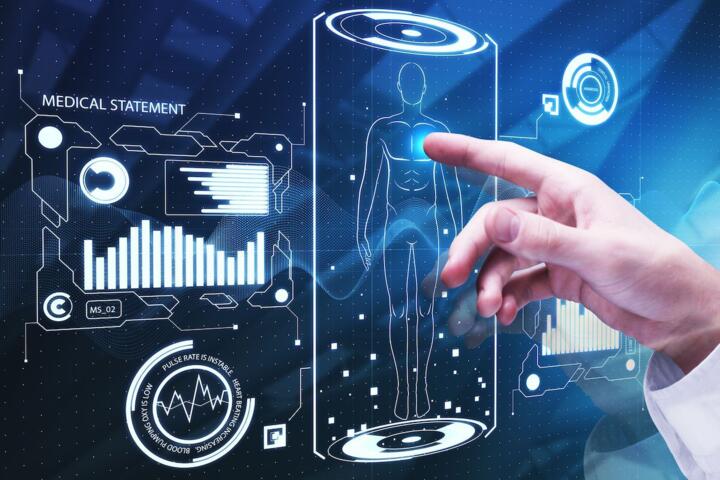
The shift toward a tech-enabled medical landscape isn't just about convenience; it is about data liquidity. In the past, your medical history lived in a manila folder at a GP's office. Today, it exists in a continuous stream of metrics generated by biosensors and software algorithms. When we discuss this field, we are looking at the convergence of hardware (wearables), software (mobile health apps), and connectivity (telehealth).
A practical example is the transition from manual blood pressure logs to cellular-connected cuffs. Instead of a patient recording a single, often "white-coat induced" high reading at a clinic, a device like the Withings BPM Connect automatically syncs data to a cloud server where an AI or a human practitioner spots trends over weeks.
The scale of this shift is massive. According to recent industry data, the global digital health market is projected to exceed $500 billion by 2025. Furthermore, clinical studies have shown that remote patient monitoring (RPM) can reduce hospital readmission rates by as much as 38% for chronic conditions like heart failure.
The Friction Points: Where Digital Integration Fails
The primary issue in the current landscape is "data siloing." Users often adopt multiple platforms—a Garmin watch for fitness, a MyFitnessPal log for nutrition, and a hospital portal for lab results—that do not communicate with one another. This fragmentation leads to a "flat" view of health where variables aren't correlated, such as how poor sleep quality (from an Oura ring) might be spiking fasting glucose levels (from a Dexcom CGM).
Another critical failure is the "alarm fatigue" caused by consumer-grade notifications. When an app sends 20 low-value alerts a day, users desensitize. This is dangerous because it leads to ignoring legitimate red flags, such as an irregular heart rhythm notification on an Apple Watch.
In clinical settings, the problem is often the lack of "clean" data. Doctors are overwhelmed by thousands of data points from patients but lack the tools to filter this into actionable insights. Without a streamlined dashboard, your 10,000 steps a day is just noise to a cardiologist looking for signs of atrial fibrillation.
Strategic Implementation of Connected Care Tools
To move from data collection to health optimization, you must select tools that offer high interoperability and clinical validation.
Continuous Glucose Monitoring (CGM) for Non-Diabetics
While originally for metabolic disorders, tools like Levels or Nutrisense use hardware from Dexcom or Abbott to show real-time glycemic responses to food. This works because it provides immediate biofeedback. On a practical level, seeing your glucose spike to 160 mg/dL after a "healthy" oatmeal bowl leads to instant behavioral change that no diet book can replicate.
Result: Users often see a 10–15% reduction in average glucose levels within 90 days of consistent monitoring.
High-Fidelity Sleep Architecture Tracking
Moving beyond "hours slept" to "sleep efficiency" is key. The Oura Ring Gen3 or Whoop 4.0 analyze Heart Rate Variability (HRV) and Respiratory Rate. This is effective because HRV is a direct proxy for the autonomic nervous system's recovery. If your HRV is 20% below your baseline, it is a physiological signal to reduce physical or mental load that day, preventing burnout before it manifests as illness.
Telemedicine and Specialist Access
Services like Teladoc or Ro have lowered the barrier to entry for dermatological or mental health consultations. Instead of waiting six weeks for a specialist, an asynchronous photo upload to a platform like SkyMD can result in a prescription within 24 hours. This speed prevents minor issues from escalating into acute emergencies.
Mini-Case Examples of Tech Integration
Case 1: Remote Hypertension Management
A mid-sized corporate office implemented a pilot program using Omada Health for 100 employees with stage 1 hypertension. Participants received a cellular scale and blood pressure cuff.
-
The Problem: Low adherence to medication and poor diet tracking.
-
The Action: Data was pushed to a digital coach who messaged users when readings spiked.
-
The Result: 65% of participants lowered their systolic blood pressure by an average of 12 mmHg within 6 months, significantly reducing the company’s long-term cardiovascular risk profile.
Case 2: Post-Surgical Recovery via Wearables
A specialized orthopedic clinic used the Zimmer Biomet Mymobility platform with Apple Watch integration for patients recovering from knee replacements.
-
The Problem: High rates of post-op complications due to patients either over-exerting or staying too sedentary.
-
The Action: Surgeons monitored gait quality and step counts remotely.
-
The Result: Physical therapy visits were optimized based on actual progress rather than a generic schedule, leading to a 20% faster return to work for patients.
Digital Health Ecosystem Comparison
| Tool Category | Primary Benefit | Recommended Services | Key Metric to Watch |
| Metabolic Health | Real-time nutrition feedback | Dexcom G7, Levels, Nutrisense | Time in Range (TIR) |
| Cardiovascular | Early arrhythmia detection | Apple Watch S9, KardiaMobile | ECG / Afib burden |
| Mental Wellness | Cognitive Behavioral Therapy | Headspace, BetterHelp, Calm | Stress recovery score |
| Smart Scales | Body composition analysis | Withings Body Scan, Renpho | Visceral Fat Index |
| Virtual Care | Immediate clinical access | Teladoc, Amazon Clinic | Time to consultation |
Common Mistakes and Recovery Tactics
The most frequent error is "the gadget hoarding phase." Buying five different sensors doesn't make you healthier; it makes you a data entry clerk. Focus on one metric you want to change (e.g., resting heart rate) and choose the single most accurate tool for that job.
Another mistake is ignoring privacy settings. Many free health apps monetize by selling de-identified aggregate data. To avoid this, check for HIPAA compliance (in the US) or GDPR-standard encryption. If an app doesn't have a clear "Data Privacy" section in its settings, it is likely that you are the product.
Finally, do not use these tools to self-diagnose complex conditions. If your wearable suggests an "Inconclusive" ECG, do not Google symptoms for three hours. Use the app's "Export PDF" feature and send it to a board-certified physician. The tool is a compass, not a surgeon.
FAQ
Are consumer wearables accurate enough for medical decisions?
Most high-end wearables are cleared by the FDA for specific functions, such as ECG or SpO2. While they are highly accurate for trend tracking, they should be used to prompt a clinical conversation rather than replace a hospital-grade diagnostic.
How do I sync all my different health apps into one place?
For iOS users, Apple Health acts as a central encrypted hub. For Android, Google Health Connect performs a similar role. Third-party aggregators like Gyrosco.pe or Exist.io can also pull data from various APIs to show correlations.
Is my data safe with these digital platforms?
Data security varies. Look for platforms that use end-to-end encryption and have two-factor authentication (2FA) enabled. Reputable companies like Withings or Garmin have stricter privacy protocols than generic, low-cost apps found on the App Store.
Can these tools help with weight loss better than a gym membership?
Tools like MyFitnessPal combined with a smart scale provide the "accountability" factor. Research shows that people who track their food and weight consistently lose 2x more weight than those who do not, as it eliminates "calorie amnesia."
Will my insurance cover the cost of these digital tools?
Many modern insurance providers (like UnitedHealthcare or Aetna) now offer "Wellness Credits" or subsidies for devices like the Apple Watch or Peloton subscriptions. Some even offer lower premiums for sharing activity data.
Author’s Insight
In my years observing the intersection of technology and biology, the most successful individuals aren't those with the most expensive gear, but those who understand the "Feedback Loop." I personally use a Continuous Glucose Monitor twice a year for 14 days just to recalibrate my understanding of how stress and travel affect my metabolism. The goal of any digital health tool should be to eventually teach you enough about your body that you don't need the tool anymore. Use the technology to build intuition, not dependency.
Conclusion
The integration of digital health tools marks a transition from "blind" living to "data-informed" thriving. By addressing silos through centralized hubs, focusing on clinically validated hardware like CGMs and HRV trackers, and avoiding the trap of over-complication, you can take meaningful control of your biological trajectory. Start by selecting one specific metric—be it sleep quality or metabolic response—and master the data before expanding your ecosystem. The future of medicine is in your pocket; the challenge is learning how to read the map.