Harmonizing Professional Ambition with Physical Vitality
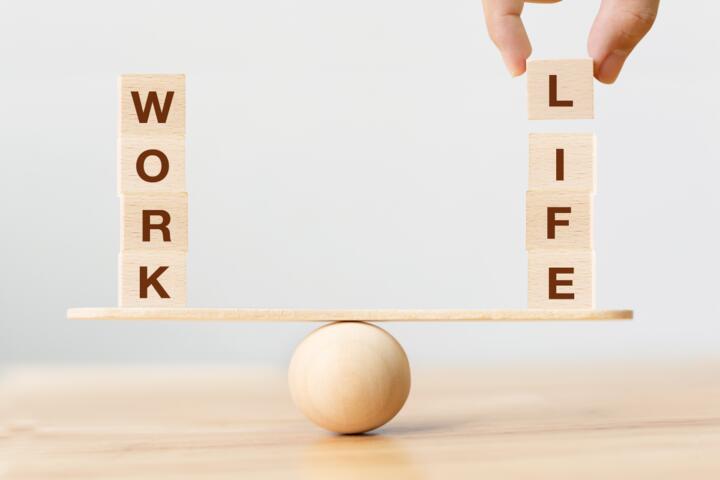
Work-life balance is often misunderstood as a 50/50 split of time, but in clinical reality, it is about "cognitive switching" and the body’s ability to exit the sympathetic nervous system's "fight or flight" mode. When we work, our bodies produce cortisol and adrenaline to sharpen focus. However, the human body is not designed to sustain these levels for 10–12 hours a day without significant cellular degradation.
In practice, a healthy balance looks like "non-negotiable recovery windows." For example, a senior software engineer might use the Pomodoro Technique via the Focus To-Do app, ensuring that every 25 minutes of high-intensity coding is met with 5 minutes of total neural decoupling. This prevents the "decision fatigue" that leads to poor health choices, like late-night snacking or skipping the gym.
According to a longitudinal study by the World Health Organization (WHO), working 55 hours or more per week is associated with a 35% higher risk of stroke and a 17% higher risk of dying from ischemic heart disease compared to working 35–40 hours. This data underscores that the "hustle culture" isn't just exhausting; it is statistically life-threatening.
The High Cost of the "Always-On" Culture
The primary mistake professionals make is treating their energy as an infinite resource rather than a finite chemical reserve. Many rely on "compensatory behaviors"—using caffeine to mask exhaustion in the morning and alcohol or sedative sleep aids like ZzzQuil to force a shutdown at night. This creates a physiological "pendulum effect" that wreaks havoc on the endocrine system.
The consequences are often invisible until they become chronic. High cortisol levels lead to central adiposity (belly fat), insulin resistance, and a suppressed immune system. We see this in "Sunday Scaries," where the anticipatory anxiety of the work week triggers a spike in heart rate variability (HRV) before the week even begins.
Consider the "Executive Burnout Cycle": a manager skips lunch to meet a deadline, leading to a blood sugar crash by 3:00 PM. They then consume high-glucose snacks, causing an insulin spike that leads to lethargy. By 7:00 PM, they are too tired to exercise, leading to poor sleep quality. This isn't just a bad day; it’s the precursor to metabolic syndrome.
Data-Driven Strategies for Lasting Recovery
To fix the imbalance, you must treat your health with the same analytical rigor as a quarterly business review. Here are specific, evidence-based interventions.
Implementing Radical Disconnect Periods
The "Right to Disconnect" isn't just a legal concept in Europe; it’s a mental health framework. You should utilize tools like Freedom or Cold Turkey to block work-related domains and apps after 7:00 PM.
-
Why it works: It reduces "anticipatory stress." If you know you cannot access your email, your brain stops scanning for potential threats (messages from the boss).
-
Result: A study by Virginia Tech found that the mere expectation of checking email outside of work hours increases anxiety for both employees and their significant others.
Zone 2 Cardio as a Stress Buffer
Engaging in 150 minutes of Zone 2 heart rate activity (where you can still hold a conversation) per week acts as a "metabolic flush" for cortisol. Using a WHOOP strap or an Oura Ring allows you to track your Recovery Score and HRV.
-
How it looks: Instead of a high-stress HIIT session after a high-stress day, opt for a 45-minute brisk walk or steady cycling.
-
Result: Improved mitochondrial function and a lower resting heart rate, providing more physical "headroom" to handle professional stress.
Micro-Restructuring the Workday
Use the Timeboxing method on a Google Calendar or Notion dashboard. Instead of a to-do list, assign specific blocks for "Deep Work" and "Bio-Breaks."
-
Why it works: It eliminates the "Zeigarnik Effect"—the tendency to remember uncompleted tasks, which causes mental clutter.
-
Result: You finish the day with a sense of closure, allowing the parasympathetic nervous system to take over.
Corporate Transformation Case Studies
Case Study 1: The Tech Giant "Quiet Hours" Initiative
A mid-sized SaaS company noticed a 22% increase in turnover due to burnout. They implemented "No-Meeting Wednesdays" and integrated Headspace for Business for all staff.
-
Action: They mandated that all internal Slack notifications be silenced between 6:00 PM and 8:00 AM.
-
Result: Over six months, employee retention rose by 15%, and self-reported "health satisfaction" scores increased by 30%. Productivity metrics remained stable, proving that fewer hours did not mean less output.
Case Study 2: Financial Services Wellness Pivot
A boutique investment firm introduced "Mandatory Recharge Days"—one Friday off per month. They tracked the health of employees using annual biometric screenings.
-
Action: Linked executive bonuses to team wellness scores, not just financial KPIs.
-
Result: Average systolic blood pressure across the senior team dropped by an average of 8 mmHg, and the firm saw a 12% reduction in healthcare premiums due to fewer stress-related claims.
Comparative Framework for Recovery Tools
| Tool/Method | Primary Health Benefit | Best For | Implementation Effort |
| Oura Ring / WHOOP | Tracks Sleep & HRV | Data-driven recovery | High (requires daily wear) |
| Forest App | Reduces Digital Distraction | Improving Focus | Low (mobile app) |
| Box Breathing | Lowers Cortisol Instantly | Acute Stress Moments | Very Low (3 mins) |
| Meal Prep (eg. HelloFresh) | Regulates Blood Sugar | Preventing Poor Nutrition | Moderate |
| Theragun / Massage | Parasympathetic Activation | Physical Tension | Low (10-15 mins) |
Frequent Pitfalls in Seeking Balance
The "Vacation Fallacy"
Many believe a two-week vacation will "fix" six months of overworking. This is physiologically false. The "fade-out effect" shows that the health benefits of a vacation usually disappear within 2 to 4 weeks of returning to a high-stress environment.
-
Correction: Focus on "Micro-Recoveries." Ten minutes of sunlight exposure and a short walk every morning are more effective for your circadian rhythm than one long trip per year.
Neglecting the "Third Space"
The "Third Space" is the transition between work and home. Many people commute while taking a work call, meaning they walk into their home in a high-cortisol state.
-
Correction: Dedicate at least 15 minutes of your commute or evening to a total mental shift. Listen to a non-work podcast or practice active visualization. Use Audible for fiction or Spotify for ambient lo-fi beats to signal to the brain that the "hunting" phase of the day is over.
Over-Reliance on Biohacking
Taking a handful of supplements like Ashwagandha or Rhodiola Rosea (adaptogens) cannot outpace 80-hour work weeks.
-
Correction: Treat supplements as 5% of the solution. The 95% comes from sleep hygiene (cool room, no blue light) and setting boundary-based "No" responses to non-essential tasks.
FAQ
How many hours of work per week is considered "unhealthy"?
Research generally indicates that once you cross the 50-hour mark, the marginal utility of your work drops while your risk for cardiovascular issues and mental health decline rises exponentially.
Can I be healthy while working a high-stress job?
Yes, but it requires "active recovery." You must treat recovery as a performance metric. Using tools like Calm for guided meditation and ensuring 7–8 hours of actual sleep (tracked via wearable tech) is essential.
What is the first physical sign that my work-life balance is failing?
Sleep fragmentation—waking up at 3:00 AM with your mind racing about tasks—is usually the first clinical indicator that your nervous system is over-taxed.
Does "Work-Life Integration" work as well as "Balance"?
Integration (mixing work and life throughout the day) works for some, but it often leads to "leaky boundaries" where you never fully disconnect, leading to higher levels of chronic low-grade stress.
How do I tell my boss I need more balance without sounding lazy?
Frame it in terms of ROI and output quality. "I've found that by structuring my deep work blocks and ensuring recovery, my error rate drops and my strategic output increases."
Author’s Insight
In my years observing high-performance environments, the most successful individuals aren't those who work the longest, but those who recover the fastest. I’ve seen CEOs lose everything to a preventable heart attack because they thought "health could wait" until after the IPO. My personal rule is the "Rule of 3": 3 hours of deep work, 30 minutes of movement, and 3 hours of total digital disconnection before bed. This isn't about doing less; it’s about ensuring you are physically capable of doing more over a 30-year career rather than a 3-year sprint.
Conclusion
True professional excellence is inseparable from physical health. By utilizing biological tracking, setting firm digital boundaries, and prioritizing metabolic health through Zone 2 exercise and proper nutrition, you can mitigate the lethal risks of chronic stress. Start by auditing your current calendar today: find one one-hour block that you can reclaim for physical recovery and guard it with the same intensity you would a million-dollar client meeting. Consistency in recovery is the ultimate competitive advantage.