The Evolution of Personal Bio-Metrics: A New Standard of Care
The shift toward proactive health management is no longer a futuristic concept; it is a current clinical reality. Personal health monitoring involves the continuous collection of physiological data—such as Heart Rate Variability (HRV), blood glucose levels, and sleep architecture—through consumer-grade hardware and specialized software. Unlike traditional medicine, which relies on "snapshot" data from infrequent doctor visits, these apps provide a continuous "movie" of a person's health.
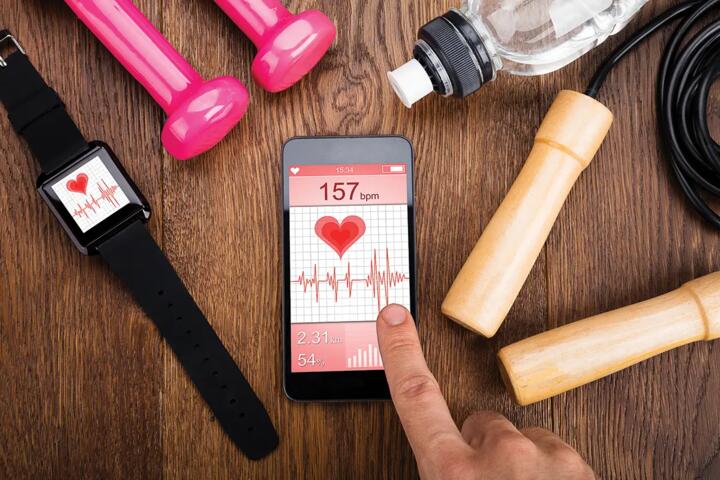
In clinical practice, this allows for a nuanced understanding of how lifestyle choices impact biology. For example, a patient using a continuous glucose monitor (CGM) paired with an app like Nutrisense or Levels can see exactly how a "healthy" oatmeal breakfast causes a glucose spike equivalent to a candy bar. This immediate feedback loop drives behavioral change more effectively than any generic nutritional advice.
The scale of this industry is staggering. As of 2024, the global mHealth market is valued at over $60 billion, with over 350,000 health-related apps available in major app stores. Statistics show that roughly 45% of Americans now use at least one wearable device to track their health metrics, creating a massive repository of personal data that, if used correctly, can predict cardiovascular events days before they occur.
Critical Pain Points: Why Most Users Fail to Benefit
The primary issue with health monitoring is not a lack of data, but the "Data-Information Gap." Users often collect thousands of data points—resting heart rate, SpO2, REM sleep cycles—without knowing how to synthesize them into actionable insights. This leads to several significant problems:
-
Digital Hypochondria: Constant access to real-time data can trigger "Cyberchondria," where minor, natural fluctuations in heart rate or sleep patterns cause extreme anxiety.
-
The "Noisy" Data Problem: Inexpensive sensors often produce "artifacts" or false readings. A poorly fitted wristband might report a heart rate of 190 BPM during a brisk walk, leading a user to believe they are experiencing a cardiac emergency when it is simply a sensor error.
-
Lack of Interoperability: Many users find their data siloed. Their smart scale data stays in one ecosystem (e.g., Withings), while their nutrition data is in another (e.g., MyFitnessPal), and their workout data is in a third (e.g., Strava). Without a unified view, the correlation between diet, weight, and performance is lost.
-
Ignoring the Context: An app might flag a "poor" recovery score, but it doesn't know the user just flew across three time zones or is fighting a minor cold. Following app "readiness" scores blindly can lead to undertraining or unnecessary stress.
Strategic Implementation: How to Maximize App Utility
To turn a smartphone into a legitimate health tool, users must move beyond passive tracking and toward structured analysis.
Prioritize Medical-Grade Accuracy
Not all sensors are created equal. For heart health, ensure your app supports ECG (Electrocardiogram) functionality rather than just PPG (optical heart rate). Apps like KardiaMobile use a dedicated device to provide FDA-cleared, medical-grade ECGs that can detect Atrial Fibrillation (AFib) with 98% sensitivity. This moves the app from a "toy" to a life-saving diagnostic tool.
Focus on Heart Rate Variability (HRV)
HRV is the gold standard for measuring autonomic nervous system balance. Instead of looking at calories burned, focus on your morning HRV trend via apps like HRV4Training or Elite HRV.
-
Why it works: A trending drop in HRV over 3 days often predicts illness or overtraining 48 hours before physical symptoms appear.
-
The Practice: Measure your HRV for 2 minutes every morning upon waking. If your score is significantly below your 7-day baseline, reduce physical load by 50% that day.
Integrate Metabolic Tracking
Weight loss is often a byproduct of glucose stability. Use apps that sync with CGMs (Continuous Glucose Monitors) to understand your unique glycemic response.
-
Tools: Signos or Dexcom G6/G7 integration.
-
The Result: Users who stabilize their glucose curves often report a 30% increase in afternoon energy levels and more consistent weight loss without drastic caloric restriction.
Use AI-Driven Sleep Diagnostics
Generic sleep trackers often misidentify "quiet wakefulness" as sleep. Use apps like Sleep Cycle or Oura that utilize multi-factor analysis (movement, sound, and heart rate).
-
The Insight: Use these apps to test variables—such as room temperature (optimal 18°C) or stopping caffeine 10 hours before bed—and track the specific impact on Deep Sleep percentages.
Mini-Case Examples: Real-World Impact
Case 1: Early Detection of Cardiovascular Dysfunction
A 45-year-old male executive used a high-end wearable integrated with a health dashboard. Over two weeks, the app flagged a consistent rise in his resting heart rate (from 62 to 74 BPM) and a sharp decline in his "Readiness Score." Despite feeling "fine," he visited a cardiologist. An echocardiogram revealed early-stage pericarditis (inflammation around the heart). Because it was caught early through trend analysis, he avoided hospitalization and recovered with 14 days of anti-inflammatory medication.
Case 2: Reversing Pre-Diabetes through Biofeedback
A mid-sized logistics company provided employees with access to a metabolic health app and simplified glucose tracking. One participant noticed that "healthy" dried fruit snacks caused his blood sugar to spike to 180 mg/dL. By switching to whole nuts and tracking the data in real-time, he reduced his HbA1c from 5.9% (pre-diabetic) to 5.3% (normal) in six months. The company saw a 12% reduction in absenteeism among the pilot group.
Comprehensive Health App Comparison Table
| Category | Recommended App/Service | Key Strength | Best For |
| Cardiac Health | Kardia (AliveCor) | FDA-cleared ECG readings | Detecting Arrhythmias |
| Metabolic Health | Levels | Glucose/Nutrition correlation | Weight loss & Energy |
| Recovery/Stress | Whoop | Strain vs. Recovery balance | Athletes & High-stress pros |
| General Wellness | Apple Health / Google Fit | Centralized data hub | Consolidating multiple apps |
| Nutrition | Cronometer | Precise micronutrient tracking | Identifying vitamin deficiencies |
| Sleep | Rise Science | Circadian rhythm alignment | Managing "Sleep Debt" |
Common Pitfalls and How to Avoid Them
The "All Data is Good Data" Fallacy
Many users track 20 different metrics and become overwhelmed.
-
The Fix: Pick two primary "Key Performance Indicators" (KPIs) relevant to your goals (e.g., Resting Heart Rate for fitness, or Sleep Latency for insomnia). Ignore the rest until you have mastered the primary two.
Neglecting Hardware Calibration
Optical sensors (LEDs on the back of a watch) are notoriously inaccurate during high-intensity interval training (HIIT) due to "light leakage."
-
The Fix: For intense workouts, pair your app with a chest strap (like the Polar H10). It uses electrical impulses rather than light and is considered the "gold standard" for non-clinical settings.
Chasing the "Perfect" Score
Gamification in health apps can lead to obsessive behaviors, where users feel "guilty" for a low sleep score.
-
The Fix: Use a "3-day rolling average" rather than focusing on a single day's data. Biology is non-linear; perfection is not the goal—consistency is.
FAQ: Navigating the Health Tech Landscape
Can a health app replace a doctor?
No. Apps are screening tools and data logs. They provide the "evidence" you should bring to a professional consultation but cannot offer a definitive diagnosis or prescription.
Which is more accurate: a ring, a watch, or a phone app?
Generally, chest straps are best for heart rate, rings (like Oura) are excellent for sleep and temperature, and watches are best for GPS and activity. Phone-only apps (using the camera for pulse) are the least accurate and should only be used for casual spot-checks.
How do I know if my health data is private?
Check for HIPAA compliance in the US or GDPR compliance in Europe. Look for apps that allow you to opt-out of "aggregated data sharing" and offer local-only storage options.
Why does my app say I'm stressed when I'm just sitting?
Stress scores are usually based on HRV. If you just ate a heavy meal, drank alcohol, or are dehydrated, your HRV will drop, and the app will interpret this physiological "stress" as emotional stress.
Can these apps help with mental health?
Yes. Apps like Waking Up or Headspace track meditation consistency, while others use "voice biomarkers" to track signs of depression or anxiety through speech patterns, providing a more objective view of mental state.
Author’s Insight: The Practitioner’s Perspective
In my years analyzing health technology, I’ve observed that the most successful users are those who treat their data like a scientist, not a judge. I personally use a combination of a chest strap for workouts and a dedicated sleep tracker, but I intentionally "dark" my data one weekend a month. This prevents "tracker fatigue" and keeps me in tune with my internal interoception—the ability to feel my body without looking at a screen. My best advice: use apps to validate your intuition, not to replace it. If you feel great but the app says you’re "strained," trust your body first.
Conclusion
The future of health is personalized, predictive, and preventative. To succeed with health monitoring apps, stop treating them as passive diaries. Start by selecting one medical-grade metric to improve, ensure your hardware is calibrated, and review your data weekly rather than hourly. By shifting from data collection to data interpretation, you transform your smartphone from a source of distraction into a powerful clinical ally. Integrate your app data into your medical records, share reports with your physician, and use the biofeedback to make small, incremental changes to your daily habits. Consistent, small adjustments—informed by accurate data—are what lead to long-term longevity.