Security surveillance cameras are essential tools for enhancing safety and protection in various settings. From homes and businesses to public spaces, these cameras help deter crime, monitor activities, and provide valuable evidence. Understanding the benefits, types, and key features of surveillance cameras can help you choose the right system for your needs and ensure effective installation and use.
Benefits of Security Surveillance Cameras
- Crime Deterrent: The presence of surveillance cameras can deter potential criminals, reducing the likelihood of break-ins, vandalism, and other criminal activities.
- Real-Time Monitoring: Surveillance cameras allow for real-time monitoring of activities, enabling quick responses to any suspicious behavior.
- Evidence Collection: In the event of an incident, surveillance footage can provide crucial evidence for law enforcement and insurance claims.
- Peace of Mind: Knowing that your property is being monitored can give you peace of mind, whether you're at home, at work, or away on vacation.
- Improved Safety: Surveillance cameras can help identify safety hazards and ensure compliance with security protocols, enhancing overall safety.
Types of Security Surveillance Cameras
- Dome Cameras: These cameras are compact and discreet, making them ideal for indoor use. They offer a wide field of view and are often used in retail stores, offices, and homes.
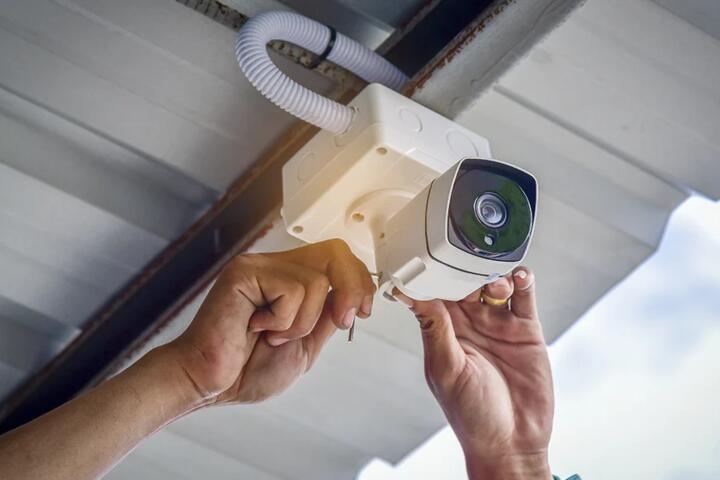
- Bullet Cameras: Known for their cylindrical shape, bullet cameras are versatile and can be used both indoors and outdoors. They are commonly used for monitoring specific areas, such as entrances and parking lots.
- PTZ Cameras: Pan-Tilt-Zoom (PTZ) cameras can be remotely controlled to pan, tilt, and zoom, providing flexible monitoring of large areas. They are often used in public spaces and large facilities.
- Wireless Cameras: These cameras operate without the need for wired connections, making them easy to install and reposition. They are ideal for homes and small businesses.
- Night Vision Cameras: Equipped with infrared technology, night vision cameras can capture clear footage in low-light conditions, making them suitable for outdoor and 24/7 monitoring.
Key Features to Consider
- Resolution: Higher resolution cameras provide clearer and more detailed footage. Look for cameras with at least 1080p resolution for optimal clarity.
- Field of View: The field of view determines how much area the camera can cover. Wide-angle lenses offer broader coverage, while narrow-angle lenses provide more focused monitoring.
- Storage Options: Consider the storage options for recorded footage, such as local storage on a DVR or NVR, or cloud storage for remote access.
- Connectivity: Ensure the camera supports the necessary connectivity options, such as Wi-Fi, Ethernet, or cellular networks, for seamless integration with your monitoring system.
- Durability: For outdoor use, choose cameras that are weather-resistant and have a high IP rating to withstand various environmental conditions.
Tips for Effective Installation and Use
- Strategic Placement: Place cameras in strategic locations to cover all critical areas, such as entrances, exits, and high-traffic zones.
- Proper Lighting: Ensure adequate lighting in the areas being monitored to enhance the quality of the footage, especially for night vision cameras.
- Regular Maintenance: Perform regular maintenance checks to ensure the cameras are functioning properly and that the lenses are clean.
- Secure Storage: Use secure storage solutions to protect recorded footage from unauthorized access and ensure data integrity.
- Integration with Alarm Systems: Integrate surveillance cameras with alarm systems for enhanced security and quicker response times.
Security surveillance cameras are invaluable tools for enhancing safety and protection in homes, businesses, and public spaces. By understanding the benefits, types, and key features of surveillance cameras, you can choose the right system for your needs and ensure effective installation and use. Strategic placement, proper lighting, regular maintenance, secure storage, and integration with alarm systems are essential for maximizing the effectiveness of your surveillance system. Investing in security surveillance cameras can provide peace of mind and help deter crime, monitor activities, and collect evidence, ultimately enhancing overall safety and security.