Powerwall Coverage Basics
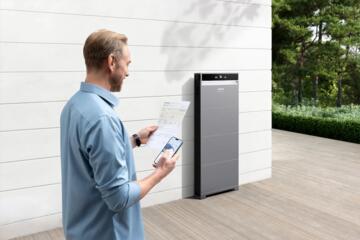
Home energy storage coverage usually hinges on how an insurer classifies the battery system: as part of the dwelling, as personal property, or as an “electrical equipment” category. Tesla Powerwall is a wall-mounted lithium-ion battery system, so policies often treat it like other electrical equipment rather than like a solar panel. The coverage can also depend on whether the system is grid-tied, whether it includes a backup gateway, and how the installer reports the work to local authorities.
In practical terms, you want to know three things before paying a premium: which perils are covered (for example, fire, lightning, wind, theft), what the insurer excludes (often flood, earthquake, or certain water-related damage), and how the insurer measures loss (replacement cost versus actual cash value). If you have a backup mode that keeps critical loads running, coverage still does not automatically expand to include every outage-related scenario. Many policies cover damage to the equipment, not the value of lost power during an outage.
When you read a quote, the insurer may list “battery storage” as a line item, or it may fold it into a broader category like “other structures” or “electrical apparatus.” That difference affects how deductibles apply and whether you need a separate endorsement. I’ve seen homeowners assume a solar rider covers storage too; the policy language rarely supports that assumption, and the declarations page is where the mismatch shows up first.
Common Coverage Pain Points
The most frequent misunderstanding is assuming that “home backup” equals “outage loss coverage.” Standard homeowners policies typically cover physical damage from named perils, not the economic impact of being without power. If a battery fails during a covered event, the policy may pay for repair or replacement of the damaged equipment, but it may not pay for food spoilage unless that peril triggers the relevant coverage and the policy covers the resulting loss.
Another pain point is classification and valuation. Some insurers treat the battery as personal property, which can shift coverage limits and reduce payout under actual cash value rules. Others treat it as part of the dwelling, which can raise the likelihood of replacement-cost treatment. The declarations page and any endorsements control this, and the insurer’s underwriting notes can matter when you add the system after the policy starts.
Supporting technologies also create coverage dependencies. Powerwall systems include inverters, a backup gateway, and protective devices that interact with your home’s electrical panel. If a policy excludes “wear and tear,” “mechanical breakdown,” or “latent defect,” then damage that looks like a failure after time may not be covered even if the battery is the visible component. Water exposure is another dependency: a leak near the installation location can cause corrosion, and many policies treat water damage under separate exclusions or sublimits.
Finally, installation details can affect underwriting. Insurers often ask for the system’s make/model, capacity, and permit status. If the installation did not follow local electrical code requirements, the insurer may deny coverage for losses tied to code noncompliance. Even when the battery itself is intact, insurers sometimes deny claims if the wiring or mounting contributed to the loss.
How To Verify Your Policy
Check Named Perils And Exclusions
Start by listing the perils your policy covers for “dwelling” or “electrical equipment,” then compare that list to the most relevant risks for your location. For many homeowners, fire and lightning are covered, while flood and earthquake require separate policies or endorsements. If your home is in a flood zone, ask the insurer whether the battery is covered under the flood policy and whether there are sublimits for electrical components.
Request the exact wording for exclusions that mention “water,” “freeze,” “surface water,” “seepage,” “earth movement,” and “power surges.” Some policies cover lightning damage but exclude damage from “utility power fluctuations” unless a covered peril triggers the loss. If you have a backup gateway, ask whether the insurer treats it as part of the battery system or as separate equipment with different coverage terms.
For a concrete workflow, ask your insurer or broker for a copy of the declarations page plus the endorsements list, then highlight any language that references “electrical” or “energy storage.” I’ve used a simple checklist in a spreadsheet (I keep one labeled “Policy Review v3.1”) to track which perils are covered and which are excluded for each endorsement.
Confirm Valuation And Deductibles
Next, confirm whether the policy pays replacement cost or actual cash value for the battery system. Replacement cost typically pays the cost to repair or replace with materials of like kind and quality, minus depreciation only in limited situations. Actual cash value often reduces payout by depreciation, which can matter for batteries that are several years old.
Deductibles can also differ. Some policies apply a single deductible to the dwelling, while others apply separate deductibles to certain categories like personal property or detached structures. If your insurer lists the battery as “other equipment,” the deductible might not match what you expect from your dwelling coverage.
Ask for the deductible application example in writing. A short email response from the insurer’s underwriting or claims department can prevent a later dispute about whether the battery loss is treated as part of the dwelling or as separate property.
Document Installation And Permits
Insurers often require proof of value and proof of installation. Gather the sales invoice, the system serial numbers, the installer’s paperwork, and the permit or inspection approval documents from your local authority. Keep photos of the mounting location, conduit routing, and the electrical panel labeling if the installer provided it.
If you added the system after the policy started, keep the endorsement effective date and the insurer’s confirmation that the storage system was added to the coverage. A mismatch between the installation date and the endorsement date can create a coverage gap for losses occurring before the policy change takes effect.
For homeowners who manage their own records, a folder structure helps. I’ve seen claims go smoother when the homeowner can produce a single PDF packet within minutes: “Invoice,” “Permit,” “Commissioning report,” and “Serial numbers.”
Plan For Claim Triggers
When a loss occurs, insurers typically need evidence of the cause and the extent of damage. For battery systems, that may include an electrician’s assessment, photos, and sometimes a manufacturer service report. Ask your installer whether they can provide a post-incident diagnostic report format that insurers accept.
Also check whether your policy requires mitigation steps after a covered loss. Many policies expect reasonable actions to prevent further damage, such as shutting off power and preventing water intrusion. If you have a backup system, the insurer may still expect you to follow safety procedures rather than continuing operation.
Keep in mind that some “failure” scenarios may be treated as excluded mechanical breakdown or wear and tear. If the battery fails during normal operation without a covered peril, the claim outcome depends on the policy’s specific language about breakdown and latent defects.
Educational Case Examples
Fire Damage To Battery And Gateway
A homeowner in a temperate climate had a kitchen fire that spread to the garage where the battery system was installed. The insurer covered the dwelling damage under a named peril, and the claim included the battery enclosure, the backup gateway, and wiring damaged by heat. The payout depended on replacement cost treatment for dwelling equipment, and the homeowner’s deductible applied once to the overall loss.
The insurer requested the permit documents and the system serial numbers to confirm the equipment was insured. The claim also required an electrician’s report to show the battery damage resulted from the fire rather than a pre-existing failure. The homeowner’s documentation reduced back-and-forth because the insurer could match the system’s model and capacity to the underwriting record.
Water Intrusion After Roof Leak
Another homeowner experienced a roof leak that went unnoticed for several days. Water reached the area around the battery installation, causing corrosion on connectors and damage to nearby electrical components. The insurer denied coverage for the battery damage under the policy’s water damage exclusions, while covering limited interior repairs under a different coverage section tied to the roof leak.
The homeowner learned that the policy treated gradual water intrusion differently from sudden accidental discharge. The claim turned on the timeline and the policy’s wording about seepage, maintenance, and repeated leaks. A moisture meter reading and a dated repair invoice helped establish when the leak likely began, which mattered for the denial appeal.
Coverage Checklist And Tradeoffs
| Decision Point | What To Ask | What Good Looks Like | What To Watch For |
|---|---|---|---|
| Perils | Which named perils cover the battery and gateway? | Fire and lightning clearly included; flood/earthquake addressed via endorsements. | Water seepage, freeze, and power fluctuation exclusions that match your risk. |
| Valuation | Replacement cost or actual cash value for the storage equipment? | Replacement cost for like-kind equipment where available. | Depreciation reducing payout for older systems. |
| Deductibles | Which deductible applies to battery losses? | Clear statement that the deductible matches the equipment classification. | Separate deductible categories that raise your out-of-pocket cost. |
| Endorsements | Is battery storage listed on the declarations page or endorsement? | Written confirmation with effective dates matching installation. | Coverage starts after installation, creating a gap. |
Step-by-step checklist you can use before the next renewal:
- Collect the system invoice, serial numbers, and permit/inspection approval documents.
- Read the declarations page and endorsements list for any mention of “energy storage,” “battery,” or “electrical equipment.”
- Ask the insurer to confirm valuation method and deductible application for the storage equipment category.
- Compare your policy’s water, flood, and earthquake treatment to your local risk profile, then ask about endorsements if needed.
- Store a claim packet folder so you can respond quickly if a loss occurs.
This checklist supports decision-making, not marketing claims, and it helps you avoid surprises when the insurer asks for documentation.
Common Mistakes That Cause Denials
Homeowners often rely on verbal assurances from a salesperson or installer. Verbal statements do not replace endorsement language, and claims adjusters typically follow the written policy. Ask for the endorsement or updated declarations page in writing, then verify the effective date matches the system commissioning date.
Another mistake is assuming that a solar policy rider covers storage. Solar and battery systems can be insured under different categories, and insurers sometimes apply different sublimits or exclusions to batteries. If your quote bundles solar and storage, request the breakdown so you can see which line item controls the battery payout.
Some people skip documentation because the system “looks new.” Insurers still need proof of value and equipment identity, especially when the system is not listed on the declarations page. A missing serial number can slow a claim, and a missing permit can trigger disputes about whether the installation met underwriting requirements.
Finally, homeowners sometimes treat water damage as a single bucket. Roof leaks, seepage, and sudden discharge often receive different treatment under homeowners policies. If the installation area is prone to moisture, you may need to address drainage and sealing as part of risk management, because the policy may not cover gradual intrusion.
FAQ
Does Homeowners Insurance Cover Powerwall For Fire?
Coverage depends on your policy’s named perils and exclusions. Many homeowners policies cover fire damage to electrical equipment, but you should confirm the battery and gateway are classified under the dwelling or electrical equipment section and that no water-related exclusions apply to the cause.
Is Flood Damage To A Battery Covered?
Flood coverage usually requires a separate flood policy or endorsement. Standard homeowners policies commonly exclude flood, and battery losses from floodwater can fall under that exclusion unless you have flood-specific coverage.
Will The Policy Pay Replacement Cost For A Battery?
Some policies pay replacement cost for dwelling equipment, while others pay actual cash value. The only reliable way to know is to confirm the valuation method for the storage equipment category on your declarations page and endorsements.
What Documents Do Insurers Request For Claims?
Insurers often request proof of ownership and value (invoice), equipment identity (serial numbers/model), and proof of installation (permits/inspection). An electrician’s or contractor’s assessment of cause and extent of damage is also common.
Does Insurance Cover Lost Food During Outages?
Food spoilage coverage depends on your policy’s coverage for power interruption and the peril that caused the outage. Many policies cover spoilage only when the outage results from a covered peril affecting the home or utility service, and the policy may require documentation of the loss.
Author's Insight
Insurance outcomes for home energy storage depend less on the battery brand and more on policy language: how the insurer classifies the equipment, which perils are covered, and how valuation and deductibles apply. For Powerwall-style systems, the battery, gateway, and wiring are treated as electrical equipment, so exclusions tied to water, wear and tear, and mechanical breakdown can matter even when the battery is the visible component.
Because policies vary by state and insurer, the most reliable approach is to verify coverage using the declarations page, endorsements, and written confirmation of valuation and deductible application. If you want a practical next step, ask your insurer to confirm the battery’s coverage category and effective date after installation, then keep a claim packet with serial numbers and permits.
When evidence is incomplete, claims adjusters often rely on documentation and cause-of-loss assessments, which is why installation records and a dated timeline of any water exposure can influence outcomes.
Key Takeaways
- Confirm which perils cover the battery and gateway, and check exclusions tied to water, freeze, and earth movement.
- Verify valuation (replacement cost versus actual cash value) and deductible application for the storage equipment category.
- Keep permits, invoices, serial numbers, and commissioning paperwork so the insurer can match the system to underwriting records.
- Plan for claim triggers by understanding that outage-related losses often require specific policy language and documentation.