Understanding Telemedicine and Virtual Care: Beyond the Video Call
Many people use the terms "telemedicine" and "virtual care" interchangeably, but they represent different scopes of digital health. Telemedicine refers specifically to clinical services—a doctor diagnosing a rash via a high-definition camera or a psychiatrist conducting a therapy session. Virtual care is the broader umbrella, encompassing the entire patient journey, including digital check-ins, remote patient monitoring (RPM), and automated follow-up sequences.

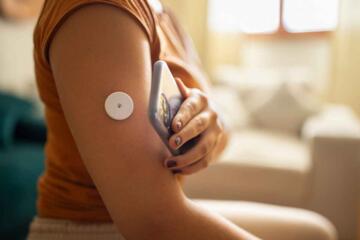
In a clinical setting, this looks like a patient with Type 2 diabetes using a Dexcom G6 continuous glucose monitor that automatically syncs data to their physician’s dashboard. Instead of waiting for a quarterly check-up, the physician intervenes when they see a 15% spike in glucose levels over a 48-hour period.
According to McKinsey & Company, telehealth utilization has stabilized at levels 38 times higher than pre-pandemic baselines. Furthermore, the market is no longer just about convenience; it is about efficiency. Remote monitoring can reduce hospital readmission rates by up to 25% for patients with congestive heart failure.
Critical Pain Points in Modern Virtual Care
The primary failure in current virtual care implementation is the "silo effect." Many providers treat a video call as an isolated event rather than an integrated part of a patient's medical record. When data from a virtual visit isn't instantly accessible to the emergency room or the specialist, the risk of medication errors and redundant testing skyrockets.
Another significant pain point is "Zoom fatigue" paired with poor diagnostic quality. Relying on standard consumer-grade webcams often leads to misdiagnosis of dermatological issues or throat infections because of poor lighting and low resolution. This creates a "revolving door" where a patient pays for a virtual visit, gets an inconclusive result, and still has to visit an urgent care center, doubling their costs.
Security remains a massive vulnerability. In 2023, healthcare data breaches reached an all-time high, with the average cost of a breach hitting $10.93 million. Using non-compliant platforms like standard Skype or FaceTime (without Business Associate Agreements) puts both patient privacy and provider licensing at extreme risk.
Actionable Solutions and Strategic Recommendations
To move from a basic video setup to a sophisticated virtual care model, providers and organizations must prioritize integration and peripheral technology.
Prioritize Asynchronous Triage
Not every medical concern requires a live 15-minute video slot. Implementing asynchronous "store-and-forward" workflows allows patients to upload photos or fill out adaptive intake forms.
-
Why it works: It optimizes the provider’s schedule, allowing them to review 10 cases in the time it takes to do two live calls.
-
Tools: Platforms like Klara or Zipnosis allow for secure messaging and structured data collection.
-
Result: Clinics using asynchronous triage often see a 30% increase in daily patient volume without adding staff.
Invest in Integrated Remote Patient Monitoring (RPM)
Transition from reactive to proactive care by using FDA-cleared devices that feed directly into the Electronic Health Record (EHR).
-
How it looks: A patient with hypertension uses an Withings smart blood pressure cuff. The data flows into Epic or Cerner via an API.
-
Tools: TytoCare provides a handheld kit that allows patients to perform heart, lung, and ear exams at home while the doctor listens in real-time.
-
Result: A study by KLAS Research found that 38% of healthcare organizations reported RPM reduced ER visits significantly.
Enhance the "Virtual Presence"
Clinical outcomes improve when the digital environment mimics the exam room. This requires professional-grade hardware and specialized lighting (CRI 90+) to ensure skin tones are accurate for diagnostics.
-
Technical Tip: Use a camera with at least a 4K sensor to allow for digital zooming without pixelation during physical assessments.
-
Service: Doxy.me or Teladoc Health provide the HIPAA-compliant framework, but the physical environment (neutral background, front-facing light) is what determines diagnostic accuracy.
Mini-Case Examples: Success in Practice
Case 1: Rural Specialty Access
A mid-sized cardiology practice in West Virginia struggled with a 40% "no-show" rate due to patients living more than two hours away. They implemented a virtual-first follow-up program using BioTelemetry wearable sensors. Patients were mailed a patch, and data was reviewed remotely.
-
Result: No-show rates dropped to 8% within six months. The practice increased its capacity to see new patients by 22% because follow-ups were handled virtually.
Case 2: Corporate Mental Health
A tech company with 5,000 employees noticed a spike in burnout-related turnover. They partnered with Ginger (now part of Headspace Care) to provide on-demand behavioral health coaching and tele-therapy.
-
Result: 70% of employees reported a reduction in anxiety levels within 12 weeks. The company saw a 15% reduction in overall medical spend as mental health intervention prevented physical health complications.
Virtual Care Implementation Checklist
This checklist ensures a practice or patient is prepared for a high-standard virtual encounter.
| Feature | Requirement | Why it matters |
| Platform | HIPAA/GDPR Compliant (e.g., Zoom for Healthcare) | Prevents data breaches and legal liability. |
| Internet | Minimum 10 Mbps upload/download speed | Prevents lag and dropped frames during exams. |
| Audio | External noise-canceling microphone | Critical for clear communication of dosage instructions. |
| Integration | Bi-directional EHR syncing | Ensures the virtual visit is part of the legal medical record. |
| Pharmacy | E-prescribing integration (SureScripts) | Allows patients to receive meds without physical scripts. |
| Billing | Parity Law Verification | Ensures the provider gets paid at the same rate as in-person. |
Common Pitfalls to Avoid
-
Ignoring Medical Licensing Laws: In the United States, practicing across state lines without a compact license (like the IMLC) is a common error. Always verify the patient's physical location at the start of every call.
-
Poor Lighting and "Upshot" Camera Angles: If a doctor is looking at the ceiling or sits in front of a bright window, they appear unprofessional and lose the "trust" factor. Position the camera at eye level.
-
Neglecting Post-Visit Documentation: Many providers forget to send a digital "After Visit Summary" (AVS). Without a written record of the plan, patient adherence drops by nearly 50%.
-
Lack of Tech Support for Seniors: Assuming older patients cannot use the tech is a mistake. Providing a 5-minute "tech check" call with a medical assistant 24 hours before the appointment solves most connectivity issues.
Frequently Asked Questions (FAQ)
Is telemedicine as effective as in-person care?
For chronic disease management, mental health, and minor urgent care (rashes, sinus infections), studies show no statistical difference in outcomes. However, physical emergencies or conditions requiring palpation still require in-person visits.
How do I know if a telemedicine site is legitimate?
Look for "Verified" badges from organizations like the LegitScript or the American Telemedicine Association (ATA). Legitimate services will always ask for a medical history and provide a clear privacy policy.
Does insurance cover virtual care?
Most major insurers (Cigna, Aetna, UnitedHealthcare) and Medicare now cover telehealth, especially for primary care and behavioral health. Coverage for specialized RPM varies by state and plan.
Can a doctor prescribe medicine via a video call?
Yes, in most jurisdictions, providers can prescribe non-controlled substances. For controlled substances (like certain pain medications), the Ryan Haight Act and subsequent updates dictate specific requirements for in-person evaluations.
What equipment do I need as a patient?
A smartphone or laptop with a camera and a stable internet connection is the minimum. For better care, having a digital thermometer and a blood pressure cuff nearby is highly recommended.
Author’s Insight: The Human Element
In my experience working with digital health integrations, the biggest hurdle isn't the software—it's the "bedside manner" in a digital space. I’ve found that providers who spend the first 60 seconds of a call establishing eye contact (looking at the camera, not the screen) and acknowledging the technology have significantly higher patient satisfaction scores. Virtual care is a tool, not a replacement for empathy. My advice: don't let the dashboard get in the way of the dialogue. The most successful virtual practices are those that use automation to handle the paperwork so they can spend more time actually talking to the patient.
Essential Strategies for Future-Proofing Virtual Care
The transition to virtual care is no longer a temporary fix but a permanent shift in the global health landscape. To maximize the benefits of this technology, focus on "High-Tech, High-Touch" delivery. This means using advanced tools like AI-driven diagnostics (such as Viz.ai for imaging) while maintaining a personalized connection with the patient.