The Economics and Biology of Prevention: An Overview
Preventive care is often misunderstood as a simple annual physical. In reality, it is a sophisticated biological insurance policy. The core objective is to detect cellular or systemic abnormalities—such as insulin resistance or stage 1 hypertension—long before they manifest as a stroke or Type 2 diabetes.

Consider the "Rule of Halves" in hypertension: roughly half of people with high blood pressure are diagnosed, half of those receive treatment, and only half of those achieve control. Preventive care breaks this cycle. For instance, according to the CDC, if everyone in the US received recommended clinical preventive services, we could save over 100,000 lives annually. From a financial perspective, every $1 spent on childhood vaccinations saves approximately $10.90 in direct and indirect costs.
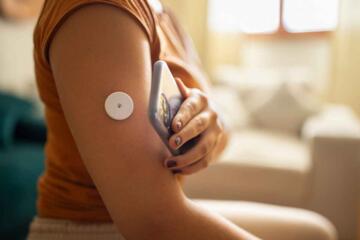
Practically, this looks like a 45-year-old executive using a Dexcom G7 continuous glucose monitor (CGM) to identify spikes after specific meals, allowing for dietary adjustments that prevent a diabetes diagnosis five years down the line.
The High Cost of the "Wait and See" Approach
The most significant pain point in modern health is the "symptom-first" mentality. Many patients wait for physical pain or dysfunction before seeking medical advice. This is problematic because many of the top killers—heart disease, certain cancers, and kidney disease—are "silent" in their early stages.
-
Delayed Diagnosis: By the time a patient feels a lump or experiences chest pain, the disease is often at Stage III or IV, where survival rates drop from 90% to less than 20% for various cancers.
-
Financial Erosion: The cost of managing chronic kidney disease (CKD) can exceed $100,000 per year for dialysis, whereas early detection through a simple $20 urine albumin-creatinine ratio (uACR) test could have halted progression.
-
Systemic Inflation: In the US, chronic diseases driven by lack of prevention account for 90% of the $4.1 trillion in annual healthcare expenditures.
Strategic Interventions: Tools, Numbers, and Methods
Advanced Biomarker Screening
Standard blood panels often miss the nuance of metabolic health. To truly prevent cardiovascular disease, you need to look at Apolipoprotein B (ApoB) levels rather than just "bad" LDL cholesterol. Research indicates that ApoB is a far more accurate predictor of plaque buildup.
-
Action: Request an NMR LipoProfile or an ApoB test during your next labs.
-
Tools: Services like InsideTracker or Function Health provide deep-dive panels (100+ biomarkers) that track trends over time, not just "normal" ranges.
-
Result: Reducing ApoB levels early in life can reduce lifetime heart disease risk by up to 90%.
Cancer Early Detection (MCED)
Traditional screenings like mammograms or colonoscopies are vital but limited in scope. Multi-Cancer Early Detection (MCED) tests represent the new frontier.
-
Action: Use a liquid biopsy like the Galleri test, which screens for 50+ types of cancer via a single blood draw by looking at DNA methylation patterns.
-
Cost/Benefit: While the test costs around $950, it identifies cancers like pancreatic or ovarian that currently have no standard screening protocols.
Metabolic Optimization
Preventing Type 2 Diabetes is a primary pillar of long-term health. High fasting insulin is often present a decade before blood sugar actually rises.
-
Action: Track your HOMA-IR (Homeostatic Model Assessment for Insulin Resistance) score.
-
Method: Use wearable tech like the Oura Ring to monitor heart rate variability (HRV) and sleep quality, as poor recovery is a leading driver of metabolic dysfunction.
-
Impact: A 5% to 7% reduction in body weight through preventive lifestyle changes reduces the risk of developing diabetes by 58%.
Mini-Case Examples: Prevention in Practice
Case 1: Corporate Wellness Integration
Organization: A mid-sized tech firm (500 employees).
Problem: Rising insurance premiums and high absenteeism due to burnout and metabolic syndrome.
Action: The company implemented mandatory "Health Days" and provided subsidized access to Virta Health for diabetes reversal and Calm for mental health. They replaced vending machine snacks with high-protein, low-glycemic options.
Result: Within 24 months, the company saw a 15% reduction in healthcare claims and a 22% increase in self-reported employee productivity levels.
Case 2: Individual Cardiovascular Turnaround
Subject: A 52-year-old male with a family history of heart disease.
Problem: High stress, sedentary lifestyle, and "borderline" cholesterol.
Action: Instead of waiting for a heart attack, he underwent a Cleerly coronary CT scan, which uses AI to quantify plaque volume. The scan revealed significant "soft" (unstable) plaque.
Result: This data-driven insight led to immediate statin therapy and a personalized zone 2 cardio regimen. One year later, his plaque volume stabilized, reducing his 10-year cardiac event risk from "high" to "minimal."
Preventive Care Essential Checklist
| Category | Screening / Action | Frequency | Primary Tool/Service |
| Metabolic | HbA1c & Fasting Insulin | Every 6 months | Quest Diagnostics / Labcorp |
| Cardiovascular | ApoB & Lp(a) testing | Once (baseline) then yearly | Function Health |
| Cancer | Colonoscopy / Cologuard | Starting at age 45 | Cologuard (at-home) |
| Imaging | DEXA Scan (Body Comp/Bone) | Every 2 years | Local imaging centers |
| Respiratory | Low-dose CT (for smokers) | Annual | Hospital-based screening |
| Biological | Biological Age Testing | Annual | Elysium Health (Index) |
Common Pitfalls in Preventive Health
Many people believe that a "clean bill of health" from a general practitioner means they are optimized. This is a dangerous assumption.
-
Reliance on "Normal" Ranges: Laboratory reference ranges are based on the average population, which—in many Western countries—is increasingly unhealthy. Aiming for "optimal" rather than "normal" is key.
-
Ignoring Sleep Hygiene: Sleep is the body's primary preventive mechanism for neurological decline. Chronic sleep deprivation (under 6 hours) increases the risk of Alzheimer’s by 30%.
-
Over-Supplementation without Testing: Taking vitamins without blood work can lead to toxicity or masked deficiencies. Always test, then supplement. Use ConsumerLab.com to verify the purity of the brands you choose.
FAQ: Essential Health Prevention
What is the single most important preventive test?
While it varies by age, the ApoB test for cardiovascular health and HbA1c for metabolic health are the most critical for the widest range of adults.
At what age should I start serious preventive screenings?
Comprehensive screening should begin in your 20s for metabolic baselines. Cancer-specific screenings typically ramp up at 40–45, but family history may move this timeline earlier.
Is preventive care covered by insurance?
Under the Affordable Care Act (ACA), many preventive services (vaccines, screenings) are covered with no co-pay. However, advanced tests like Galleri or Cleerly are often out-of-pocket.
How does preventive care affect mental health?
Physiological prevention (reducing inflammation) directly impacts brain health. High systemic inflammation is a known precursor to clinical depression and anxiety.
Can lifestyle really replace medication?
In many cases, yes. Lifestyle intervention (exercise, diet, sleep) is often as effective as metformin for pre-diabetes or low-dose statins for mild cholesterol issues, provided the intervention is early and consistent.
Author’s Insight: The "Healthspan" Philosophy
In my years analyzing health data, I’ve observed that the most successful individuals treat their health like a high-performance vehicle. You don’t wait for the engine to smoke before changing the oil. My personal recommendation is to invest in a DEXA scan annually; knowing your visceral fat levels is more predictive of longevity than the number on your bathroom scale. True prevention isn't about avoiding death; it's about ensuring that your final decade is spent on a hiking trail rather than in a hospital bed. Focus on the metrics you can control: your ApoB, your VO2 max, and your insulin sensitivity.
Conclusion
Preventive care is the transition from being a passive patient to an active CEO of your own biology. By utilizing advanced diagnostics, maintaining metabolic flexibility, and adhering to a structured screening schedule, you drastically reduce the probability of catastrophic health failure. Start by booking a comprehensive blood panel that includes inflammatory markers and lipids beyond the standard LDL/HDL. Move away from reactive medicine and embrace a data-driven approach to ensure your long-term vitality.