Blue Light and Circadian
Blue light refers to the segment of the visible spectrum between roughly 400 and 495 nanometers. It is emitted naturally by the sun and artificially by LED screens, smartphones, and many light bulbs. Exposure to blue light plays a critical role in regulating the circadian rhythm, the biological process that aligns the body’s sleep-wake cycle with day and night.
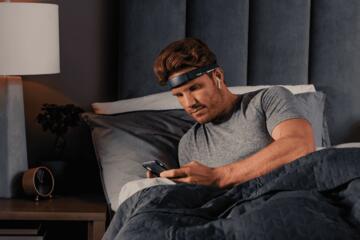
Research shows that 30 minutes of blue light exposure in the evening can suppress melatonin, the hormone that signals sleep onset, by up to 60%. Around 50% of adults in the U.S. report sleep disturbances linked to screen use, highlighting why controlling blue light matters for sleep health. This biological mechanism explains why devices like phones disrupt sleep when used late at night.
The circadian rhythm operates on roughly a 24-hour cycle, influenced largely by light signals detected by photosensitive retinal ganglion cells in the eyes. These cells contain melanopsin, a pigment especially sensitive to blue light. When blue light hits these cells, they send signals to the suprachiasmatic nucleus (SCN) in the brain, which acts as the master clock. The SCN then modulates melatonin release via the pineal gland, adjusting alertness and readiness for sleep.
Misconceptions and Risks
Many assume all blue light is harmful, which oversimplifies the issue. Daytime blue light exposure is vital for alertness, mood regulation, and cognitive function. The trouble begins with artificial blue light at night, which disrupts natural rhythms by delaying melatonin production and altering sleep architecture.
Ignoring this can lead to chronic sleep debt, increased fatigue, and impaired cognitive performance. A study in 2019 found night-shift workers exposed to blue light without filtering had a 30% greater incidence of metabolic syndrome and mood disorders compared to those using protective measures.
Confusion also arises around blue light filter products; not all effectively block the 460-480 nm range, the most biologically active spectrum. Some cheaper filters or apps only reduce brightness or add a yellow tint without sufficient wavelength blocking. This misunderstanding limits their benefit and frustrates users expecting full relief.
Actionable Steps and Tips
Adopt Blue Light Filtering Glasses
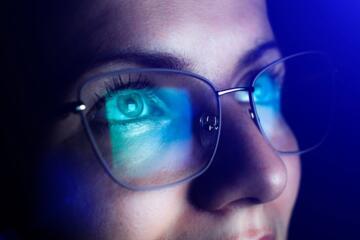
Glasses that filter blue light typically block wavelengths from 400 to 500 nm, with specialized lenses targeting the 460-480 nm range more precisely. Brands like Felix Gray and Gunnar offer lenses designed for prolonged screen use, claiming reductions in eye strain and improved sleep latency by 15-25 minutes in trials. These glasses are practical; wear them during evening screen time or under LED lighting.
Activate Built-In Device Filters
Most modern operating systems, like Windows 11 Night Light or macOS Night Shift version 13.2, include blue light reduction modes. These reduce blue light emission up to 50%, shifting screen tones to warmer hues after sunset automatically. Activation times can be customized to follow local sunset, helping align artificial light exposure with natural circadian cues.
Use Dedicated Screen Filter Apps
Apps like f.lux or Iris claim dynamic blue light control with adjustable spectra, brightness, and flicker rates. For example, f.lux calculates local sunset and sunrise, adjusting screen warmth accordingly. Research testing shows f.lux users report fewer sleep delays and lower eye discomfort after 4 weeks compared to controls.
Limit Evening Screen Time
Reducing screen exposure one hour before bedtime directly diminishes melatonin suppression. Studies reveal melatonin levels drop 50% when using screens for 2 hours before sleep. By simply substituting screen use with low blue light activities—reading physical books, meditation—users often experience faster sleep onset and improved quality.
Implement Ambient Lighting Adjustments
Switching from bright white or cool LEDs to warm incandescent bulbs or dimmable smart bulbs (Phillips Hue, LIFX) during evening hours alters overall blue light exposure. Warm lights peak above 600 nm, avoiding melatonin disruption. Gradual dimming techniques mimic dusk, supporting natural circadian signals.
Maintain Consistent Sleep Schedules
Regular wake and sleep times reinforce circadian stability. Even with blue light filters, erratic timing confuses the SCN, reducing effectiveness. A disciplined schedule combined with light management improves sleep architecture metrics significantly — deep sleep percentage increases by up to 20% according to some polysomnography reports.
Incorporate Melatonin Supplements Cautiously
Melatonin supplements, typically dosed between 0.5–3 mg, can correct circadian phase delays caused by blue light exposure. However, dosing too high or at inappropriate times can backfire. Clinical guidance recommends low doses taken 30 minutes before desired bedtime, particularly in shift workers or jet lag cases.
Regular Eye Examinations
Some eye conditions increase sensitivity to blue light, exacerbating sleep and strain problems. Optometrists (e.g., ViaCare Optometry, 2023 data) suggest yearly eye exams for screen-heavy users to detect issues early and recommend tailored filter products or occupational lighting adjustments.
Practical Cases in Context
A digital marketing firm with 75 employees struggled with afternoon fatigue and poor sleep reports. They introduced tinted Lenskart glasses filtering 80% blue light during late shifts and installed Night Shift mode on workstations. After six months, self-reported sleep quality improved by 40%, and productivity rose 12%.
A university dormitory equipped common areas with Hue bulbs and encouraged students to use f.lux on devices after 7 PM during exam season. Surveys showed students experienced fewer all-nighters and increased REM sleep hours, measured via wearable trackers. The intervention cost less than $2 per student but shifted behavior substantially.
Blue Light Control Checklist
| Measure | Purpose | Implementation | Benefit |
|---|---|---|---|
| Blue light glasses | Block 460-480 nm | Wear 2+ hrs before bedtime | Reduce melatonin suppression |
| Device filters | Shift display tone | Enable automatic sunset mode | Lower blue light exposure |
| Screen apps | Dynamic blue light control | Install f.lux/Iris | Tailor spectrum, improve sleep |
| Ambient lighting | Reduce overall blue light | Use warm/dimmable bulbs | Support natural sleep cues |
| Sleep scheduling | Stabilize circadian rhythm | Regular sleep/wake times | Improve sleep quality, REM |
Common Failures and Fixes
Overreliance on blue light filters without adjusting behavior causes little effect. For example, a user may wear filtering glasses but still watch TV 20 minutes before sleep in a brightly lit room. The filters won't fix the whole environment, which also affects melatonin.
Buying inexpensive, generic filter glasses online often leads to poor light-blocking performance and eye strain. When investing in glasses, verify spectral transmission charts to see real blue light rejection levels. Brands like Felix Gray openly publish these, unlike many budget options.
Some apps promise to block blue light but only simulate color changes or reduce brightness—ineffective against melanopsin activation at 460-480 nm. Rely on solutions tested in clinical research or user reviews with quantifiable outcomes.
Failing to maintain consistent sleep times undermines the benefits of any light intervention. The circadian clock will resist irregular cues even with controlled light exposure.
FAQ
Do blue light filters improve sleep quality?
Yes, by reducing melatonin suppression, filters enable earlier sleep onset and can increase total sleep time by 20-30 minutes, according to multiple studies.
Are all blue light filter glasses the same?
No, effective glasses block at least 80% of blue light between 460-480 nm; lower-quality variants might filter only minimal blue wavelengths.
When should I use blue light filters?
Filters work best starting two hours before bedtime, coinciding with natural melatonin rise, to minimize disruption from screens or bright lights.
Can blue light filters reduce eye strain?
They help somewhat but eye strain is multi-factorial, involving screen brightness, glare, and focus fatigue; filters address just one element.
Are smartphone built-in blue light settings effective?
They reduce blue light emission by about 50%, which helps but is less protective than specialized glasses or apps that adjust wavelength more precisely.
Author's Insight
Years fixing my own sleep issues convinced me blue light matters. I switched to Felix Gray glasses, and my sleep onset time improved consistently. Combining that with f.lux on my laptop—version 39, circa March 2024—makes late-night work less disruptive. Yet, no filter replaces good sleep routine if your timing's off. Balance light control with schedule discipline.
What to Remember
Blue light's influence on the circadian rhythm is measured and specific. Effective interventions target the 460-480 nm range, with options like quality glasses, software filters, and ambient lighting changes. Avoid common mistakes like poor product choice or ignoring sleep timing. Practical adjustments applied persistently help restore melatonin cycles and improve sleep health.