Learning Biometric Tracking
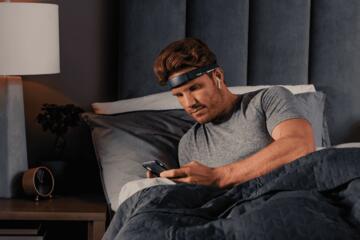
Biometric sleep tracking involves using wearable or non-contact devices to monitor physiological signals during rest. These signals include heart rate, movement, skin temperature, and even brain waves in higher-end models. For instance, wristbands with photoplethysmography (PPG) sensors detect heart rate variability (HRV) to infer sleep phases. More advanced devices, like EEG headbands, directly record brain activity to pinpoint REM and deep sleep stages.
Some trackers report overall sleep duration and sleep efficiency. The Fitbit Sense 2, for example, has an accuracy rate of around 88% for sleep stage detection compared to polysomnography (PSG), the clinical standard, while simpler motion-based devices tend to lie closer to 70%. Devices often miss subtle wake episodes or incorrectly label quiet wakefulness as light sleep.
Accuracy depends on the data type being measured and the algorithm interpreting it. Most consumer devices work best for total sleep time but less well for detailed stage breakdowns. Sleep stages vary over a night, and minor errors disproportionately affect users who want granular insights.
Biometric sleep tracking is more than counting hours.
Issues with Data Quality
Many users assume biometric sleep trackers give an exact recording of their nightly rest. They don’t. Movement sensors (actigraphy) confuse stillness with sleep, so naps or awake moments in bed may distort results. Some devices also react poorly to sleep disorders like apnea, causing inaccurate readings.
Ignoring these downsides leads to wrong conclusions about one’s sleep health. Relying too much on a tracker’s sleep score can cause unnecessary anxiety or misguided lifestyle changes. A runner I encountered last fall reported terrible scores despite feeling refreshed, only to learn the tracker misinterpreted his reduced arm movements at night.
In clinical settings, PSG uses multiple biophysical signals, including EEG, electrooculography, and electromyography. Consumer devices rarely match this complexity and thus sacrifice precision. Overestimating tracker accuracy brings real risks: self-diagnosis errors and poor sleep interventions.
Sleep tracking isn’t diagnostic yet.
Practical Guidance for Users
Choose the right sensor type
Direct brain activity sensors deliver more precise stage data than motion-only trackers. Devices like Dreem headbands and Muse S utilize EEG for an accuracy level around 90%. Optical sensors (PPG) in wristbands excel at detecting heart rate but mix up light and deep sleep. If detailed stage info matters, spend on EEG-based options.
Validate with manual logs
Keep a sleep diary alongside device data. Cross-reference subjective sleep quality and times with tracker outputs. This step filters out sensor errors and contextualizes irregular patterns. A personal diary remains a simple, effective complement to biomarkers.
Account for sensor placement
Wrist devices tend to yield noisier data than headbands or rings with steadier contact points. Oura Ring, for example, rests on the finger and records HRV and temperature with high fidelity. When accuracy counts, consider form factor—less motion-friendly placements improve signal.
Update firmware regularly
Trackers often push software updates that refine sleep algorithms. The Fitbit Sense 2 version 66.101.40 update greatly enhanced REM phase sensitivity. Ignoring updates locks users into older, less accurate data interpretations over time.
Combine data streams
Some newer models merge heart rate, movement, respiratory rate, and temperature for better accuracy. The WHOOP Strap 4.0 integrates multiple sensors to achieve over 80% sleep stage accuracy in validation studies. Single metrics rarely suffice.
Limit overnight disruptions
Keep consistent room temperature and avoid device removals mid-night. Interruptions skew signals, throwing off algorithms. I once saw a tracker flip deep sleep to awake after a bathroom trip not sensed correctly.
Use trackers as trend monitors
Don’t take individual nightly scores as gospel. Watch changes over weeks or months. Gradual shifts reveal lifestyle impacts more reliably than spot readings. Trends protect against day-to-day sensor noise.
Consider clinical-grade options
For research or medical needs, home PSG kits or sleep lab studies outperform consumer devices. Although pricier and less convenient, they remain the benchmark for accuracy.
Don't overinterpret scores
Sleep stage percentages differ by brand calculation methods. A 20% REM result in one device isn’t the same as in another. Focus on comparative shifts within a single system.
Real User Scenarios
A 35-year-old software engineer with irregular shift work started using an Oura Ring to manage his sleep. Initially, his reported REM time was 10-15% nightly, lower than normative ranges of 20-25%. After adjusting bedtime habits based on trends, his REM proportion rose to 22% in three months, correlating with better alertness scores at work.
Another case involved a competitive athlete using WHOOP 4.0. She tracked heart rate variability and sleep disturbances over four weeks, detecting a pattern of reduced deep sleep on heavy training days. This insight led her coach to adjust recovery protocols, increasing her sleep efficiency by 6%.
Device Accuracy at a Glance
| Device Type | Sleep Duration | Stage Accuracy | Sensor Tech |
|---|---|---|---|
| Wrist PPG | 85-90% | 65-75% | Heart rate + motion |
| Finger Ring | 88-92% | 75-80% | HRV + temperature |
| EEG Headband | 90-95% | 85-90% | Brainwave EEG |
| Home PSG | 95-98% | 90-95% | Multi-bio signals |
Frequent Issues with Trackers
Ignoring calibration steps makes many trackers less reliable. For example, not setting the right sleep window via app settings causes mismatched time in bed. Problems like loose bands or charged-out devices break data continuity. Users often forget to wear devices consistently, breaking trend integrity.
Another error is taking single readings as diagnostics. A bad night's tracker data doesn't mean chronic issues; failing to see broader patterns misguides decisions. Blaming low sleep scores on device faults without symptoms leads nowhere.
Finally, device updates sometimes complicate comparison over time. Algorithms change, which can reset baseline readings, so interpret long-term trends cautiously.
FAQ
How accurate are wearable trackers?
These devices measure sleep duration well, typically within 85-90% accuracy. Stage detection is less accurate, varying between 65-80%, depending on sensor quality and algorithms. Expect discrepancies compared to clinical sleep studies.
Can biometric trackers detect naps?
Motion and heart rate sensors usually detect naps, but identifying short or quiet naps is inconsistent. Some devices require manual nap logging for more precise tracking.
Do wrist and finger devices differ?
Yes. Finger devices often capture temperature and blood flow signals better, improving accuracy over wrist trackers that rely more on movement and PPG.
Are non-wearable trackers reliable?
Radar or camera-based systems avoid wear discomfort but tend to be less precise and sensitive to room changes. Their accuracy generally lags behind wearables with direct contact sensors.
Can biometric tracking diagnose sleep disorders?
No. These trackers help monitor sleep health trends but lack diagnostic reliability for conditions like apnea or narcolepsy, which require clinical evaluation.
Author's Insight
Years of testing sleep trackers taught me that no single device captures every sleep nuance perfectly. My advice: use these tools as rough guides, not medical authorities. Trust the trends over individual nights, and always relate data back to how you feel.
Choosing devices with multiple sensors improved my tracking experience. Updates matter; I once ignored firmware, then saw improvements post-update. Finally, combining a well-kept sleep diary with biometrics creates a fuller picture that no number alone reveals.
Summary
Biometric sleep tracking varies widely in accuracy, hinging on sensor type and data interpretation algorithms. EEG-based devices and home PSG setups offer highest precision but at cost and complexity. Wrist-worn trackers excel for total sleep time but struggle with detailed staging. Users benefit most by focusing on sleep trends combined with subjective records. Firmware updates, consistent wearing, and realistic expectations sharpen insights over time.