Weather Damage Claims
Solar panels can suffer damage from hail, high winds, lightning surges, heavy snow loads, and prolonged heat cycles. Claims often fail when the damage story stays vague, the evidence is missing, or the inspection date does not match the weather event. This guide focuses on weather risk and claim readiness for residential and small commercial systems, including rooftop PV modules, inverters, and mounting hardware.
Start by separating “module damage” from “system performance issues.” A drop in production can come from shading, soiling, inverter settings, or grid events, even when the panels look fine. A storm claim needs a link between the event and a physical change you can document, not just a guess.
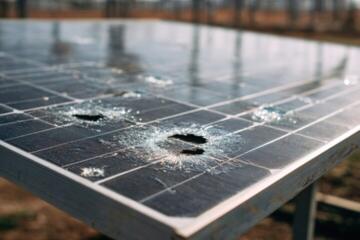
For example, hail can create micro-cracks or visible dents on glass, while wind can loosen racking or stress wiring runs. Lightning may leave burn marks at surge protection components or cause inverter faults. Snow can contribute to mechanical stress if panels are buried or if ice forms at edges, which can also affect gutters and roof penetrations.
Common Claim Pain Points
People often assume that any performance drop after a storm counts as damage. Insurers and warranty administrators typically ask for physical indicators: cracked tempered glass, delamination, broken junction boxes, damaged cabling, or mounting deformation. If the only evidence is “it produced less last week,” the claim becomes a debate about causation.
Another frequent issue is mixing normal aging with event damage. PV modules can show gradual efficiency loss over years, and some discoloration can appear from environmental exposure. Hail-related damage tends to show patterns: clustered impacts, surface fractures, or localized discoloration that aligns with hail fall direction and panel geometry.
Supporting technologies also shape what you can prove. A string inverter may log fault codes, and many systems provide production and weather data through monitoring apps. Module-level optimizers, if present, can help localize underperforming sections, but they do not prove hail impact by themselves. A roof inspection report can matter because mounting damage sometimes shows up as roof membrane issues rather than panel glass cracks.
Documentation timing matters too. If you wait weeks after a storm, dust and algae growth can obscure impact points, and repairs may remove the original evidence. I have seen claims stall because the “before” photos were taken months earlier, and the “after” photos were taken after a cleaning, which can hide fine fracture lines.
Weather Evidence And Next Steps
Document The Event Match
Collect the weather record and match it to your system’s timeline. Use the date and time of the storm from a reliable source such as a local weather service report, then compare it to inverter logs and monitoring graphs. If your monitoring platform shows production dips, capture screenshots with timestamps. If you have a model like Enphase Enlighten Manager or SolarEdge monitoring, note the dashboard version and the time zone shown in the interface; mismatches can shift the story by hours.
Photograph in a consistent order: panel surface close-ups, panel edges, junction boxes, conduit runs, and the inverter area. Include wide shots that show the roof layout so an adjuster can orient the impact pattern. Use a scale reference in at least one close-up, such as a ruler or known-size object, because “small cracks” are hard to evaluate without context.
Inspect For Physical Damage
Focus on indicators that correlate with weather mechanisms. For hail, look for chipped glass, spiderweb cracks, or impact craters, often concentrated on the upper and windward faces. For wind, check for bent rails, lifted flashing, loose fasteners, and abrasion on cable jackets where they pass through roof penetrations. For lightning, look for soot, melted insulation, or damaged surge protection components; inverter fault codes can support this, but they do not replace visual evidence.
Snow and ice risks show up as mechanical stress at edges and mounting points. Inspect for cracked frames, displaced modules, or roof membrane damage near rails. If you can access the underside safely, look for water staining patterns that suggest a leak path rather than a panel-only failure.
Get A Written Assessment
Ask for an inspection report that separates observations from conclusions. A good report lists module serial numbers, the location of damage, and whether damage is consistent with hail, wind, or moisture intrusion. Request a description of what was tested: visual inspection, insulation resistance checks, inverter diagnostics, and any electrical continuity tests. If a contractor uses infrared imaging, note the camera model and settings; thermal images can show hot spots, but they require careful interpretation.
For outcomes, aim for a report that supports a specific claim category: “storm-related module glass damage,” “mounting and roof penetration damage,” or “electrical surge event affecting inverter.” Many insurers prefer itemized parts and labor estimates rather than a single lump sum.
Submit With Clear Causation
When you file, include a short causation narrative tied to evidence. Example structure: storm date and duration, observed damage type, affected module/inverter components, and how the damage pattern matches the storm mechanism. Attach the weather record, photos, and the assessment report. If you have multiple storms, separate them by date so the adjuster does not have to untangle a timeline.
Some policies require prompt notice after loss. If you are unsure about deadlines, check your policy documents or contact the insurer’s claims line. A mild frustration point: insurers sometimes ask for “proof of loss” forms that differ by state and policy type, and the forms can lag behind the initial claim submission.
Educational Case Examples
Scenario A: Hail With Localized Cracks
A homeowner reports reduced output after a hailstorm on 2026-04-18. Inverter monitoring shows a production drop starting the same day, and the homeowner provides close-up photos showing clustered impact points on the upper row of modules. A licensed installer inspects and records module serial numbers, noting spiderweb cracks in several cells and minor frame chips. The report states the damage pattern matches hail impacts and recommends module replacement for the affected strings. The claim is approved after the insurer reviews the serial-numbered module list and the storm timeline.
Scenario B: Wind Event With Mounting And Roof Issues
A small business sees intermittent faults after a high-wind event on 2025-11-02. The inverter logs show “string open” errors, and the monitoring app (dashboard screenshot captured the next morning) indicates multiple strings underperforming. Visual inspection finds lifted flashing at one roof penetration and abrasion on a cable jacket where it contacts a rail. The installer documents bent rails and roof membrane damage near the affected area. The insurer requests a roof repair estimate and a cable replacement estimate, then approves the claim after the report links the mechanical damage to the wind event.
Weather Risk Checklist
| Weather Hazard | Common Damage Signs | Evidence To Collect | Claim Risk If Missing |
|---|---|---|---|
| Hail | Cracked glass, impact craters, delamination near impacts | Close-ups with scale, module serial numbers, storm date/time match | Insurer may treat it as aging or cleaning-related appearance changes |
| High Winds | Loose rails, lifted flashing, cable abrasion, roof membrane damage | Wide roof photos, fastener/rail condition, inverter fault timestamps | Claim may be limited to roof repairs if panel damage cannot be shown |
| Lightning / Surges | Burn marks, damaged surge protection, inverter faults | Fault codes, photos of surge devices, inspection report with test results | Insurer may deny causation without physical indicators |
| Heavy Snow / Ice | Frame stress, edge damage, roof penetration leaks | Photos after snow melt, roof inspection notes, mounting condition | Damage may be treated as maintenance or gradual wear if timeline is unclear |
Step-by-step checklist (use in order):
- Record the storm date/time and capture inverter monitoring screenshots with timestamps.
- Take wide roof photos first, then close-ups of panels, junction boxes, conduits, and mounting rails.
- Do not clean panels before documenting impact patterns; cleaning can hide fine cracks.
- Request a written assessment that lists affected module serial numbers and describes tests performed.
- File the claim with a causation narrative tied to the storm timeline and the observed damage type.
Common Mistakes That Delay
One mistake is submitting only performance graphs. Production data can show a problem, but it does not prove the cause. A second mistake is using photos that do not show location context; an adjuster needs orientation to understand whether damage is localized or widespread.
Another delay comes from missing component identifiers. Module serial numbers, inverter model numbers, and the location of junction boxes help narrow the scope. If you cannot read serial numbers due to angle or glare, take an additional photo from a different angle rather than guessing.
People also overstate certainty. If you suspect hail but only see a few cosmetic marks, phrase it as “observed impact-like marks” and let the inspector confirm. Overconfident narratives can backfire when the assessment finds no storm-consistent damage.
Finally, avoid “repair first, document later.” Repairs can remove evidence and complicate causation. If you must make temporary safety fixes, document what you changed and keep receipts so the claim can reflect the sequence.
FAQ
Will Insurers Cover Hail Cracks?
Coverage depends on policy language and whether the damage is consistent with hail impacts. Evidence usually includes photos of cracked glass, module serial numbers, and a storm timeline that matches the onset of faults or production loss.
Do I Need An Installer Report?
Many claims move faster with a written assessment that lists affected components and describes tests performed. Some insurers accept adjuster-only findings, but a contractor report often reduces back-and-forth when module-level details are required.
Can Lightning Damage Be Proven?
Lightning claims typically rely on physical indicators such as burn marks, damaged surge protection, and inverter fault logs. Without visual evidence or documented electrical tests, insurers may treat the failure as unrelated equipment malfunction.
Does Snow Always Cause Panel Damage?
Snow can contribute to mechanical stress, but many systems handle snow loads without damage. Claims need evidence such as frame stress, mounting deformation, or roof penetration leaks that align with the snow event.
How Long After A Storm Should I File?
Policies often require prompt notice after loss, and deadlines can vary by insurer and state. Check your policy documents or contact the claims line to confirm the notice and proof-of-loss timing.
Author's Insight
Weather-related solar damage claims hinge on causation evidence, not just performance changes. Inverter logs and monitoring screenshots help establish timing, while close-up photos and serial-numbered assessments help establish physical damage. The most reliable reports separate observations from conclusions and describe tests performed, which reduces disputes about whether the issue matches hail, wind, lightning, or moisture intrusion.
Because policy terms vary, readers should treat this guide as a documentation framework rather than a guarantee of approval. If you share your storm timeline, component identifiers, and inspection findings in a consistent package, the review process usually becomes less ambiguous.
Key Takeaways
- Link the claim to a specific weather event using timestamps from monitoring and weather records.
- Collect evidence that shows physical damage patterns, not only production drops.
- Use serial numbers and component identifiers so the scope stays clear.
- Get a written assessment that describes observations and tests, then submit with a causation narrative.
- Avoid cleaning or repairs before documenting impact points and mounting conditions.